






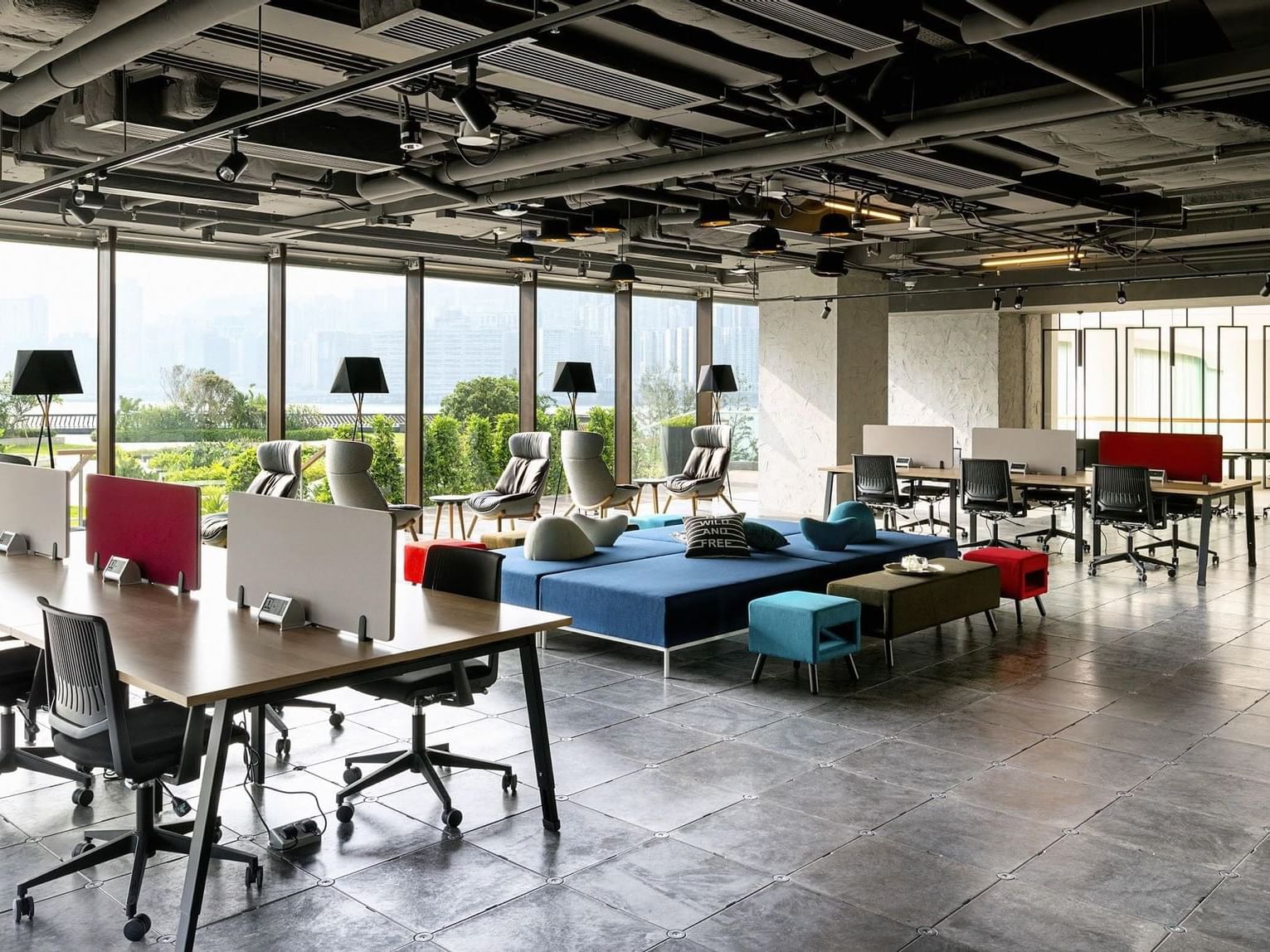
I promise, we won't go back over the fact that the flex-space market in France has grown rapidly in recent years, with more than 1.4 million m² of flex-space in 2024 according to Cushman analyses: FALSE! Of course, we can't do otherwise. At a time when the traditional office is faltering, flexible workspaces are emerging as THE pragmatic and strategic response to the new expectations of the working world, and are fully integrated into the real estate strategies of major corporations.
In Paris, Lyon and Bordeaux, they are now legion. In a former convent, a disused garage or a brand-new building, flexible workspaces are multiplying, attracting freelancers and large corporations alike. Today, they are becoming an integral part of the real estate strategy of major corporations.
The end of the fixed office: long live flexible workspaces
Since the health crisis, the world of work has entered an era of flexibility. Telecommuting, hybrid working, staggered working hours: square meter requirements are no longer the same. Many companies are taking advantage of this to rethink their real estate model. Whereas in the past, we used to think in terms of fixed workstations per employee, today we think in terms of usage.
Less surface area, but better utilization. This is the new mantra for real estate managers. Head offices are being resized, traditional leases are being renegotiated, and companies are looking to outsource part of their floor space to coworking networks. This "plug and play" approach enables them to be nimble and keep pace with the evolution of their teams in real time.
Coworking and corporate: a winning couple?
Players such as Wojo, Morning, Spaces and Deskeo are well aware that coworking is no longer confined to start-ups, but is now also available to major accounts. And it's not just about rental flexibility.
They're looking not just for flexibility, but also for a renewed employee experience, more in tune with the new imperatives demanded by employees. With their nap rooms, rooftops and shared restaurants, these places offer much more than an office: they provide a stimulating environment, conducive to innovation and talent retention.
This is also an asset for distributed teams, who can access quality professional space wherever they live, without having to go to the historical head office.
A profound transformation of commercial real estate
This shift towards the flexible office is profoundly transforming the traditional players in commercial real estate. For property owners, it means integrating the logic of modularity into the very design of their buildings. For general managers, it's a way of desensitizing their structure to the rigidity of long leases, while keeping costs under control.
But flexibility comes at a price. On average, a coworking workstation costs 20-30% more than a standard lease for the same surface area. This extra cost is often justified by the services provided, but it does require budgetary vigilance, particularly for SMEs. Hence the emergence of hybrid models, combining a compact, centralized headquarters with a network of flexible locations across the country.
Beyond financial considerations, however, this transformation is also cultural. The office is no longer just a place of production, but a lever for commitment, social ties and performance. The choice of spaces and partner networks, their location, ambience and accessibility, all become employer branding tools. And these choices often reveal a great deal about a company's managerial culture.
Towards à la carte commercial real estate?
At a time of great uncertainty about future uses, commercial real estate is entering an era of personalization. Less standardized, more modular, and above all designed for changing organizations. The boundaries between the office, the workplace and the home are becoming increasingly blurred.
Spatial flexibility is no longer a luxury, it's a strategic necessity... and a powerful indicator of the transformation of working models.
-
Top 5 coworking spaces in Nantes
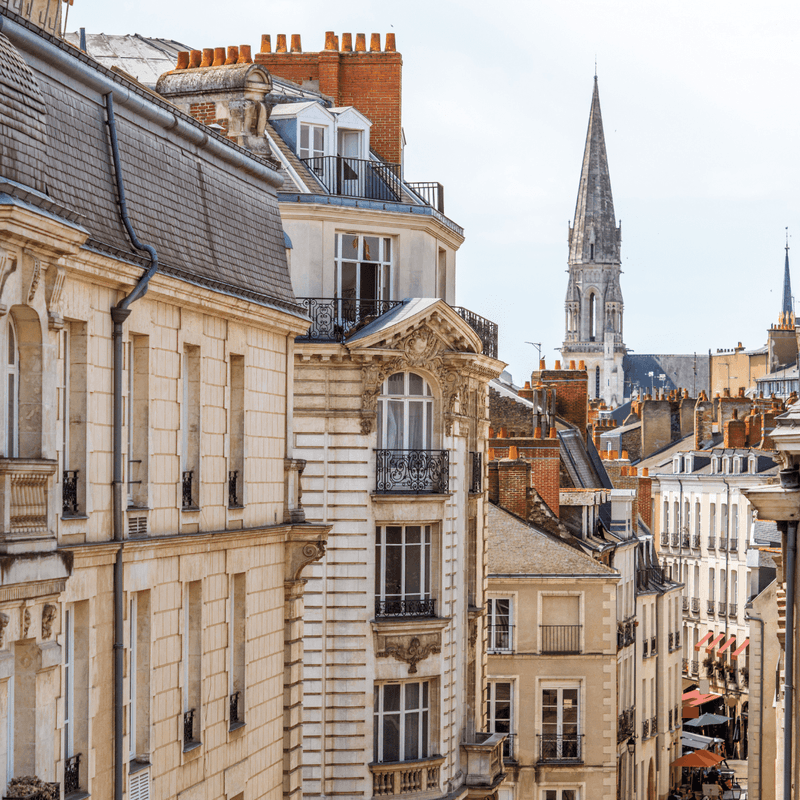
07/01/2026 Top 5 coworking spaces in Nantes
In Nantes, the office real estate market is experiencing a trompe-l'œil recovery: with 42,100 m² placed in the first half of 2025 (+14% vs. 2024), momentum seems to be picking up, but the market remains structurally fragile.New supply is scarce, average floor space is shrinking (386 m²), and the rise of telecommuting is causing office occupancy rates to fall below 50% on certain days. However, coworking, and more specifically the flexible office in Nantes, is emerging as a concrete response to new working practices for major accounts and their employees.
-
Sport coworking: when the workspace becomes a place of well-being and performance
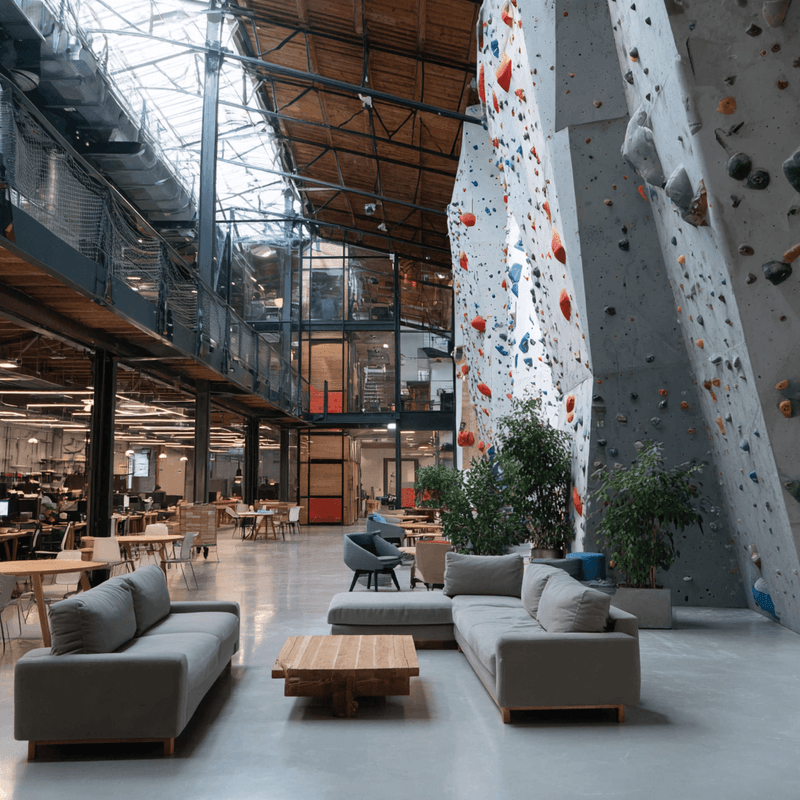
22/12/2025 Sport coworking: when the workspace becomes a place of well-being and performance
After the democratization of telecommuting, the rise of the flex-office and the growing popularity of third places, a new trend is quietly but surely emerging: sports coworking. A trend as powerful as the French craze for running in France. At the crossroads of well-being, performance and transformed uses, these hybrid spaces are challenging the way we live and work.
-
Announcing the birth of new coworking spaces
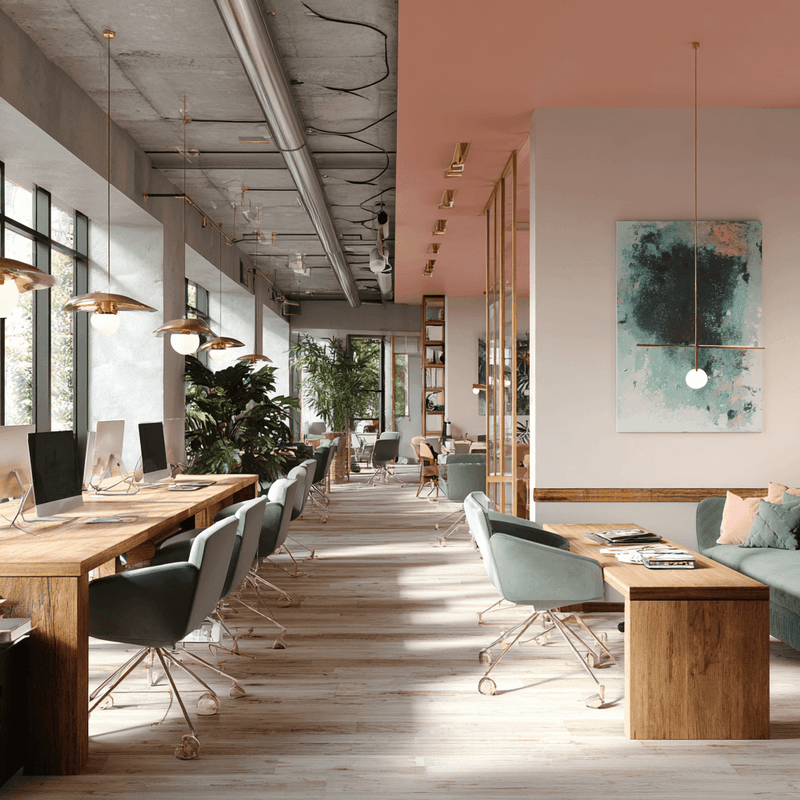
01/12/2025 Announcing the birth of new coworking spaces
Looks like the family is growing! Everywhere in France in 2025, new coworking spaces and flexible workspaces are springing up, in Paris of course, but also in Rennes, Dijon, Clermont, Brest, and even in small towns that had never seen a shared office before.