








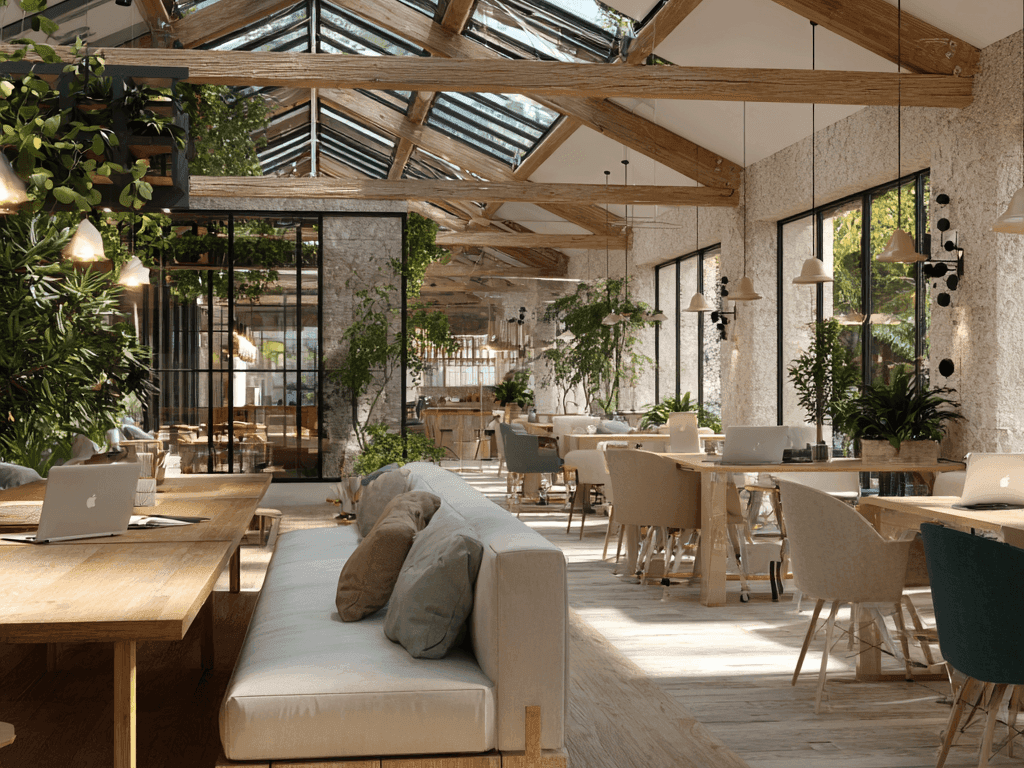
Between the quest for freedom, cost reduction and new uses, all-access offices embody a new era of work. Far from being a passing trend, this flexible, mobile model is becoming a strategic lever for companies and employees alike.
The office of tomorrow: another paradigm shift
If workspaces have already sounded the death knell for the closed office and the fixed desk, they are now preparing to give the flexible office its rightful place. The new watchword? To enable everyone to work where they want, when they want.
Thanks to "All Access" packages offered by coworking space networks, a silent revolution is underway: that of the open-access office , fragmented but always connected, designed to support mobility and performance.
Office All Access: flexibility, savings, attractiveness
The office becomes a service, not a place. With a single subscription, employees can access a network of spaces spread across several districts or cities, and even internationally. One day in Montparnasse, the next in Lille, the day after that in Geneva, the office meets a need.
This model, developed by WeWork in 2022 with 11 international cities including Paris, is now being widely extended to other operators. The idea is not to replace the company's own offices, but to broaden the offer and complement existing ones through third-party partner networks.
For companies, the benefits are immediate! It means less m², but also lower fixed costs... and therefore greater flexibility. According to a study carried out by Asterès and highlighted by WOJO, the estimated productivity gain from switching to flexible offices and coworking spaces is €11,000/year/employee. Enough to make you think twice! At the same time, HR managers see this as a real recruitment argument, particularly for young talent attracted by the freedom and balance of life.
The flexible office: a response to work fragmentation
In a competitive job market, the flexible office is also a lever for attractiveness and loyalty. It offers a concrete response to expectations in terms of geographical flexibility, reduced commuting time and comfort.
Partner workspace networks, like flexible workspaces and coworking centers, generally offer a variety of environments (quiet zones, meeting rooms, informal spaces), conducive to both concentration and collaboration. This variety of uses helps to enhance the employee experience, while supporting individual performance.
This model is also in line with new work practices: hybridization, individualized rhythms, the quest for meaning. The office is no longer a fixed place, but a platform of services adapted to the moment: need for silence? A meeting room? A stimulating environment? Space adjusts to usage.
An emerging norm, not an exception
No, the flexible office is not a fad for trendy urbanites. It's a structural evolution in the workplace.
Against a backdrop of real estate tension, the quest for energy sobriety and pressure on employee commitment, the All Access model ticks all the boxes:
✅ productivity gains,
✅ reduced carbon footprint,
✅ improved well-being,
✅ strengthening the employer brand.
It's a strategic tool, an indicator of changes in the workplace and a concrete lever for companies that want to combine performance, sobriety and well-being. Let's face it, the flexible office could well become not the exception, but the norm over the next 10 years.
-
Why a digital company must also invest in its professional spaces

23/02/2026 Why a digital company must also invest in its professional spaces
It's easy to imagine a digital company operating with almost no materials. Computers, the cloud, video meetings and you're all set. Yet behind this modern image, there are offices, workstations and reception areas. The digital world is based on a very tangible environment.
-
How can the flexible office reconcile real-estate costs and employee expectations?

05/01/2026 How can the flexible office reconcile real-estate costs and employee expectations?
For decades, the office has been seen as an immutable anchor: an assigned position, a fixed desk, a space designed to accommodate every employee from Monday to Friday, between 9am and 6pm. But this model, long considered indisputable, is now faltering under the impact of profound transformations in the world of work. Massive telecommuting, renewed employee expectations, the search for balance and meaning, and economic pressure on real estate are all forcing organizations to rethink their approach.
-
From cost reduction to cultural transformation: the real challenges of the flexible office
15/12/2025 From cost reduction to cultural transformation: the real challenges of the flexible office
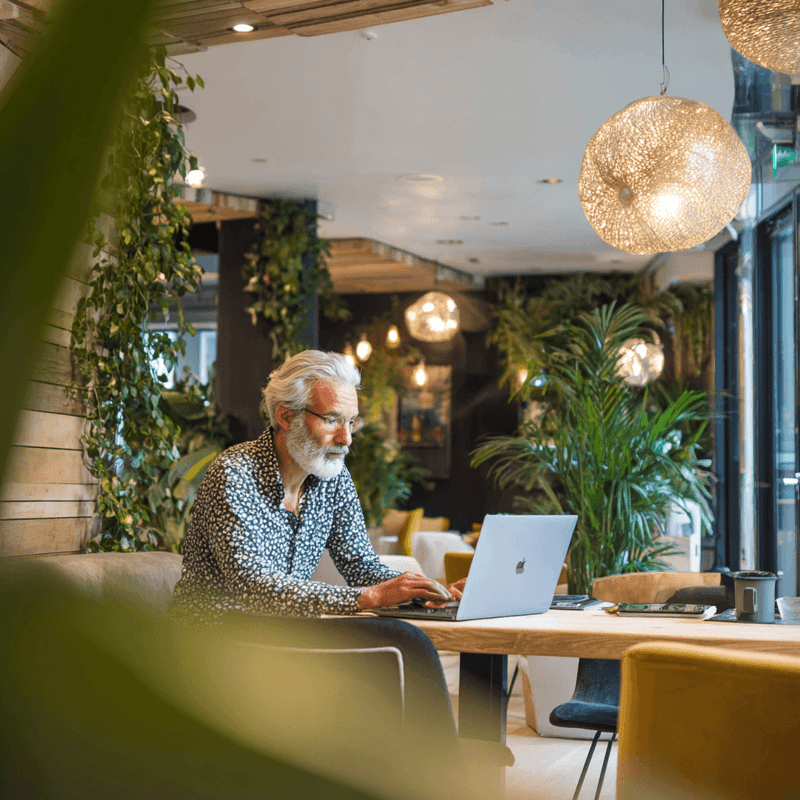
Giving up personal office allocation was no longer seen as an upheaval, but rather as an obvious way of reducing costs, improving real estate efficiency and adapting spaces to contemporary uses. However, the companies that have taken the plunge recognize that the reality far exceeds this initial justification. A genuine cultural transformation was underway!