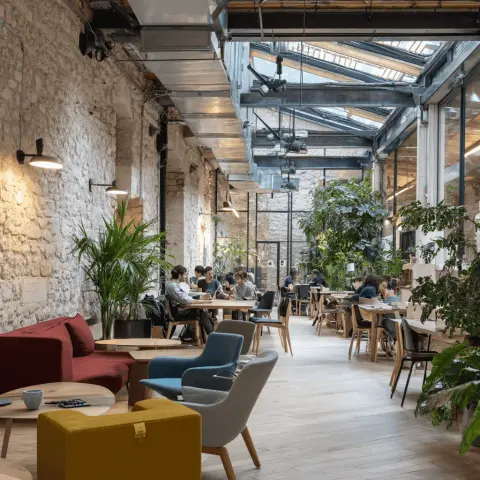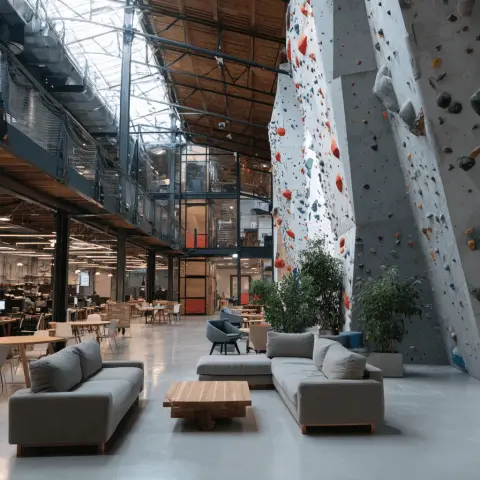

It's easy to imagine a digital company operating with almost no materials. Computers, the cloud, video meetings and you're all set. Yet behind this modern image, there are offices, workstations and reception areas. Digital technology is based on a very concrete environment.
Physical spaces that structure work
A company specializing in the web, digital marketing or IT development doesn't produce anything material. However, its activities are organized in specific places. These spaces have a direct influence on the way teams work together.
A poorly laid-out open space tires more quickly than you might think. Unsuitable seating can impair concentration. A meeting room devoid of functional equipment slows down exchanges. A setting designed for real use makes the working day go more smoothly!
Purchasing managers don't select furniture at random. They look for reliable solutions, adapted to professional constraints and in line with the company's environmental commitments. To explore the references available on the French market, consult the JPG website, a recognized player in the distribution of office supplies and furniture.
The aim is not to design for aesthetics alone. It's about organizing flows, structuring workstations and limiting sources of discomfort. A coherent environment reduces internal tensions and encourages a more stable collective dynamic.
Everyday life in a digital company remains material
Dematerialization" is more of a slogan than a reality! Even in the most connected structures, physical material still occupies a discreet but constant place.
Teams still print out certain contractual documents, administrative departments file documents, and hybrid meetings require adapted media. Internal logistics are based on simple but essential elements.
These include
- office supplies for filing and day-to-day management,
- printing consumables,
- materials for presentations and meetings,
- storage solutions adapted to the volumes handled.
When one of these elements is missing, disorganization quickly sets in. An out-of-stock situation or equipment failure can lead to avoidable delays.
Environmental considerations also play a part in our choices. Committed companies give preference to products from certified supply chains or which incorporate recycled materials. This consistency reinforces the credibility of the commitments they make in their CSR reports or on their corporate websites.
Image projected beyond digital
A digital brand looks after its online communications. Website, social networks, editorial content: everything is under control. But what about when the customer walks through the door?
A disorganized space weakens the overall perception. On the contrary, a well-structured reception area, harmonious furnishings and orderly offices extend the message conveyed online. The consistency between digital image and physical reality is reassuring.
Candidates also pay attention to these details. In a context where qualified profiles are in high demand, the work environment influences the decision. A bright, well-equipped space reflects the attention paid to the conditions offered.
Offices thus become a lever for employer branding. They embody the internal culture and the way in which the company views its teams.
Purchasing management that supports performance
Investing in professional equipment requires a structured approach. It's not a question of multiplying references, but of anticipating real needs.
Centralizing orders, tracking volumes consumed and selecting durable products limit unforeseen expenses. Clear organization also simplifies the work of assistants and administrative managers, who are on the front line in these matters!
In large urban areas as well as in the regions, service and consulting companies focus their efforts on productivity. But productivity doesn't just depend on digital tools. It also depends on the fluidity of daily tasks, supported by the right equipment.
A well-equipped office reduces invisible friction:
- fewer interruptions,
- fewer unforeseen events,
- more continuity in assignments.
The virtual is supported by the concrete
The success of a digital company depends not only on the quality of its technological solutions. It relies on teams working in real spaces, with tangible tools.
Underestimating this dimension is tantamount to neglecting a discreet pillar of overall performance. Ergonomic furniture, appropriate supplies, rigorous organization: these are the elements that structure daily life.
When all is said and done, investing in professional spaces does not contradict a company's digital DNA. On the contrary, it reinforces its coherence, credibility and stability. Digital technology is only effective when it is backed up by a solid material base designed to last.