







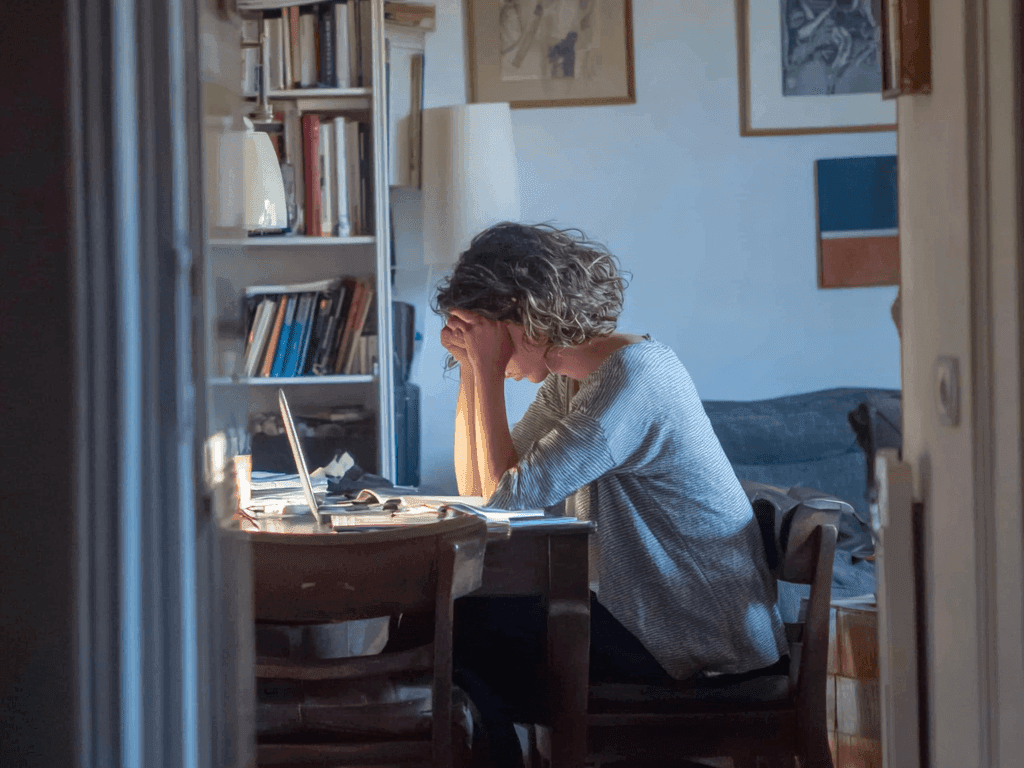
End of suspense, the answer is yes, but not for the reasons you might think. We'll explain. Caught between an improvised desk on the kitchen table and a videoconference in the noise of the living room, the modern teleworker knows his or her limits. While telecommuting has long been praised for its benefits in terms of freedom and comfort, it also has its downsides: isolation, sedentariness, confusion of lifestyles. Against this backdrop, a new habit is gaining ground: working in flexible spaces - in other words, third places, coworking or shared offices - accessible on a daily or weekly basis.
accessible by the day or à la carte. But are these places simply practical, or really good for your health?
The benefits of flexible spaces
More and more studies and field experiments are converging towards the same conclusion: yes, working in a flexible space is good for your physical, mental and social health. Provided it is well thought-out, well chosen, and integrated into a balanced work organization.
A recent study (December 2024) by Asterès and Think Tank Flex Office revealed the positive effects of coworking on workers' well-being and productivity. In particular, there is a correlation with a reduction in sick leave and stress. In addition, a study by the DARES (the French statistical agency) has just shown that telecommuting employees enjoy better living conditions and better health: "Before the health crisis, teleworkers had a higher proportion of employees with impaired health, disabilities or a high risk of depression".
Get out of the house, get back on track
The first obvious benefit is the return to a separation of spaces. At home, the boundaries between work and personal life become blurred. All the more so since, according to another Taskrabbit study, more than a third of French people feel cramped in their homes (35%). This, in turn, affects their mental health.
In a dedicated flexible workspace, you recreate a framework, a routine, a rhythm. You "go to work" even 10 minutes away from home. This simple gesture improves concentration, reduces hyperconnection and makes it easier to unwind at the end of the day. In other words: less diffuse stress, and a lighter mental load.
A healthier environment for the body
Modern flexible workspaces invest in ergonomic furniture, adapted armchairs, good lighting, and sometimes even sit-stand workstations or relaxation zones. Compared with a makeshift posture on a dining room chair, the benefits are clear: less back pain, less eye strain, and less muscle tension linked to prolonged bad posture. Working comfortably is not a luxury. It's prevention.
Recreating movement
Working from home often means taking zero steps. But flexible workspaces reintroduce movement into the working day: getting out and about, moving around the workspaces, getting away from the screen on a regular basis. What's more, some places offer sports, meditation or micro-naps sessions, all of which are ways of combating sedentary lifestyles and chronic stress.
Working in a flexible space is neither a fad nor a solution reserved for urban freelancers; it's a tool for a better work life, provided you make a structured choice. Reconnecting, preserving posture, maintaining healthy mental hygiene: the workplace is becoming a health lever in its own right.
What if it wasn't enough to be able to work remotely, but also to choose where and how you work, in order to feel good?
-
The code has changed: the new dress code for workspaces
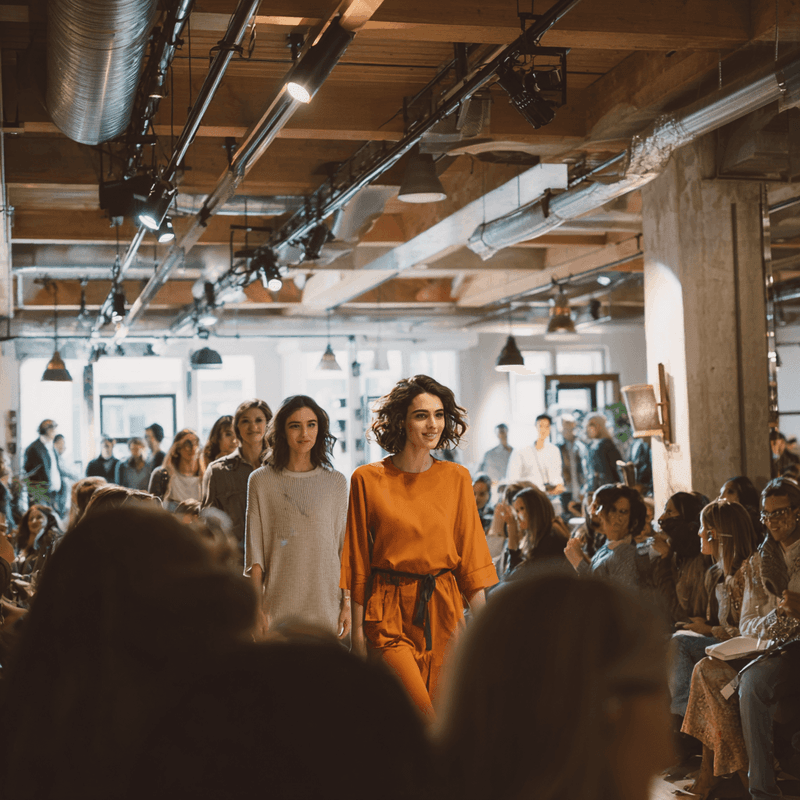
29/12/2025 The code has changed: the new dress code for workspaces
Ties have disappeared from open spaces. Strict suits have given way to white sneakers. And in some offices, the hoodie has become as much a sign of authority as a cashmere sweater. Welcome to 2025, where professional dress codes are evolving as fast as the way we work. Between remote working, coworking, flex office and changing corporate cultures, the dress code as we've known it is undergoing a silent but very real revolution. Behind the fabrics and cuts, a new social grammar is taking shape.
-
It's Tiiiiime! Is it still necessary to celebrate Christmas in the office?
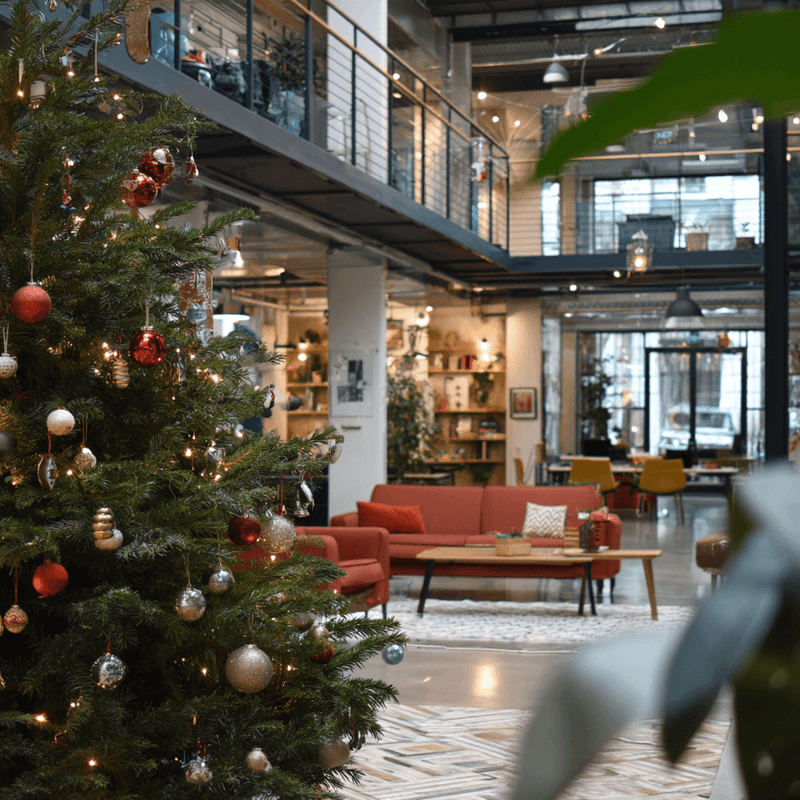
08/12/2025 It's Tiiiiime! Is it still necessary to celebrate Christmas in the office?
Between tradition, new workspaces and the quest for collective meaning. Every December, the same question resurfaces: should Christmas still be celebrated in the office? Long a symbol of conviviality and cohesion, the traditional Christmas potluck seems to be losing its lustre. Hybrid working, the dispersal of teams and the transformation of workplaces are shaking up codes. While some continue to erect the Christmas tree in the reception area, organize secret santa parties or initiate bauble-making workshops, others are wondering whether this ritual still has a place in an age when the boundary between the personal and professional spheres is blurring.
-
Executive mental health: the blind spot of performance

13/10/2025 Executive mental health: the blind spot of performance
They decide, arbitrate and steer. They embody vision, manage crises and take risks. And yet, we still talk too little about their vulnerability. The mental health of managers is a subject that is often ignored, almost taboo.