





There was a time when coworking embodied a counter-culture of work: shared offices for freelancers, start-ups in sneakers, open spaces full of colorful post-its and filter coffees. But this artisanal era is well and truly a thing of the past. Today, and for several years now, coworking has become a pillar of the service sector market, a lever of agility for major groups and a field of innovation for real estate operators.
And if it's now attracting multinationals, it's because it's changed scale. Welcome to the era of XXL Coworking.
The end of the single head office!
Since the health crisis, the geography of work has been turned upside down. This was a real turning point for the coworking and flexible office market, which was able to adapt and offer a response in line with the needs of companies and employees alike.
Monumental headquarters, symbols of centralized power, slowly emptied. First for health reasons, then gradually for social and societal reasons. Decentralized working is now seen as a social right! Employees no longer want to go back to the office, or at least not the way they used to, while companies are seeking to reconcile flexibility, attractiveness and cost rationalization.
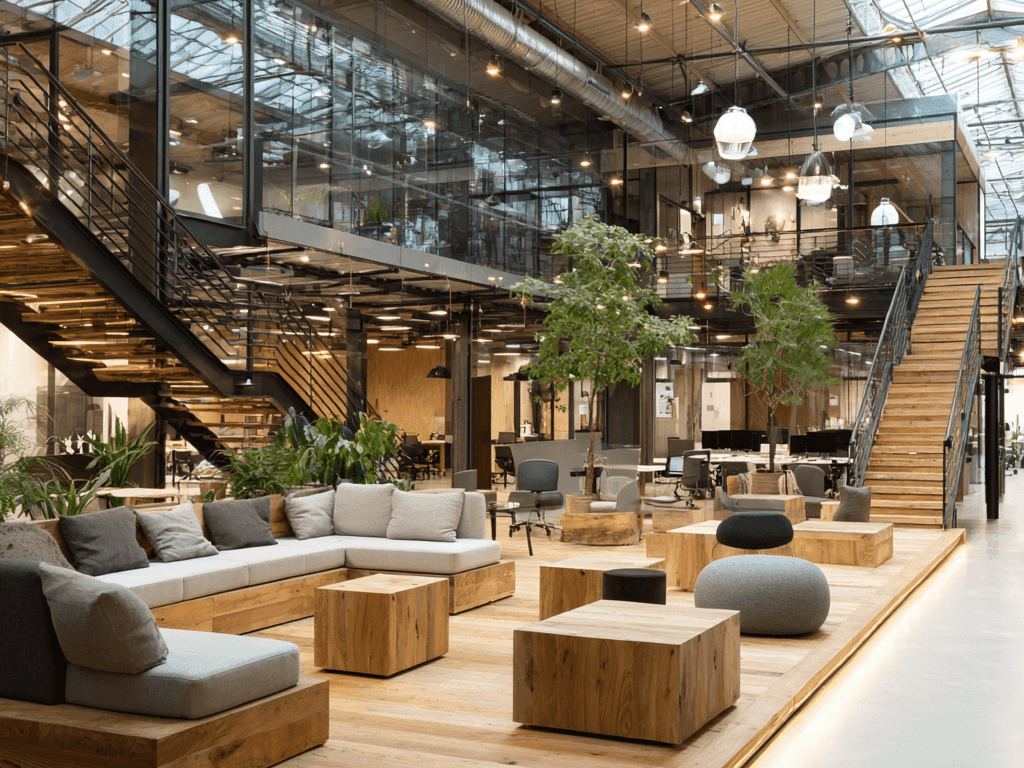
This is where large-scale coworking spaces come in, often between 5,000 and 15,000 m², capable of accommodating hundreds of employees, generally between 400 and 600 workstations, in a setting that is both flexible and inspiring. These new hubs are no longer simply third places; they are temporary or permanent extensions of company headquarters, designed for hybrid working. They are places where project teams can meet, where customers can be welcomed, where seminars can be organized, or simply where people can get together.
Several coworking brands have made this their signature concept, including Morning, Wojo and Spaces (IWG), to name but a few. But this market is also the preserve of smaller brands. The Toulouse-based Insitu group recently announced the opening of an all-inclusive 11,000 m² premium space near Toulouse Blagnac airport.
Premium, connected, ready-to-use spaces, where everything is included, from fiber optic cable to specialty coffee, gym and planted rooftops. The office becomes a service, not a property.
Economic flexibility: a decisive argument
If large companies are switching to XXL coworking, it's not just for the beauty of the space - although that's a factor - it's also a question of the economic equation.
The 3-6-9 lease model has fallen out of favor, and in a context of uncertainty and financial pressure, real estate managers are looking for budget flexibility: shorter contracts, scalable floor space and shared costs.
Coworking operators provide this agility. They transform capital expenditure (CAPEX) into operating expenditure (OPEX), offering strategic and accounting freedom.
Two interesting figures to keep in mind. According to Cushman & Wakefield, almost 55% of corporate users worldwide are already using flexible office solutions. Another CBRE report states that companies - and not just users - are aiming to have up to 29% of their portfolios in flexible space by 2027.
Understandably, for many, this has become a structural pillar, a means of testing regional locations, de-saturating Paris headquarters or reducing their carbon footprint linked to travel.
XXL coworking as an HR experience lever
But another reason why XXL coworking is so appealing is that it meets a human challenge.
Offices are no longer just places where people produce, but places where they belong. HR departments have understood this: the office has become a lever for employer branding.
It must inspire, connect and inspire people to get together.
That's why in coworking spaces, everything is designed to stimulate creativity and conviviality: local catering, gyms, concierge services, quiet zones... And in these high-end environments, coworking becomes an extension of corporate culture.
XXL coworking isn't a fad: it's the answer to a twofold real estate and cultural transformation. It reflects a profound change in the way we think about performance. Tomorrow, large coworking spaces could well become the office standard: places with variable geometry, capable of hosting professional communities as diverse as they are dynamic, and integrating codes of service, flexibility and well-being.
Coworking has changed in size, but not in mission. It remains that intermediary space between work and life, between the individual and the collective. It has simply grown, in the image of the companies that today find their balance in it.
What if, in the end, the future of the office were to lie less in glass towers than in these open, agile, shared spaces, where business and people finally coexist?
-
Top 5 coworking spaces in Nantes
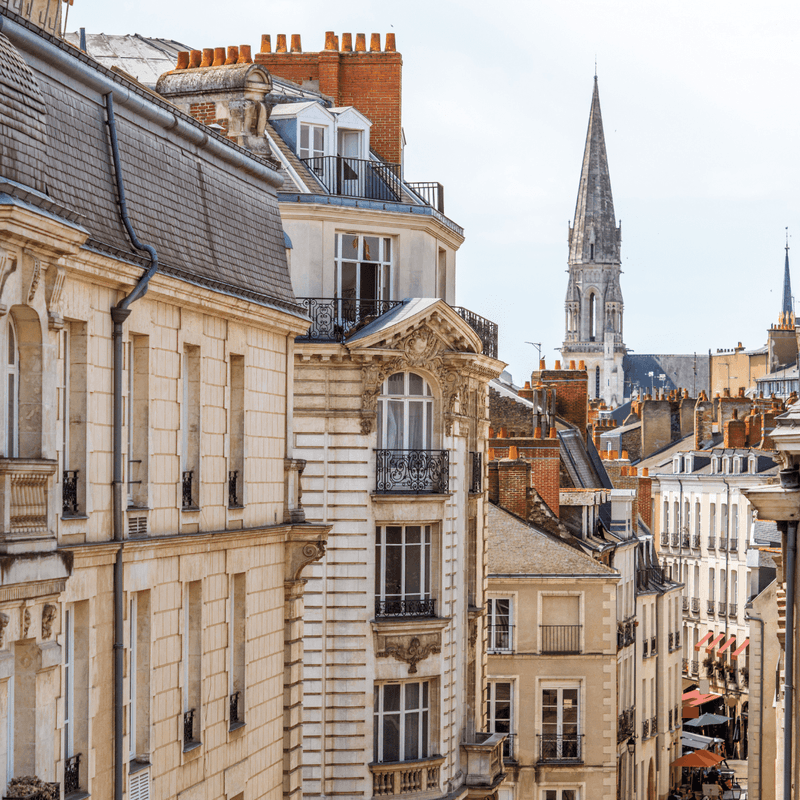
07/01/2026 Top 5 coworking spaces in Nantes
In Nantes, the office real estate market is experiencing a trompe-l'œil recovery: with 42,100 m² placed in the first half of 2025 (+14% vs. 2024), momentum seems to be picking up, but the market remains structurally fragile.New supply is scarce, average floor space is shrinking (386 m²), and the rise of telecommuting is causing office occupancy rates to fall below 50% on certain days. However, coworking, and more specifically the flexible office in Nantes, is emerging as a concrete response to new working practices for major accounts and their employees.
-
Sport coworking: when the workspace becomes a place of well-being and performance
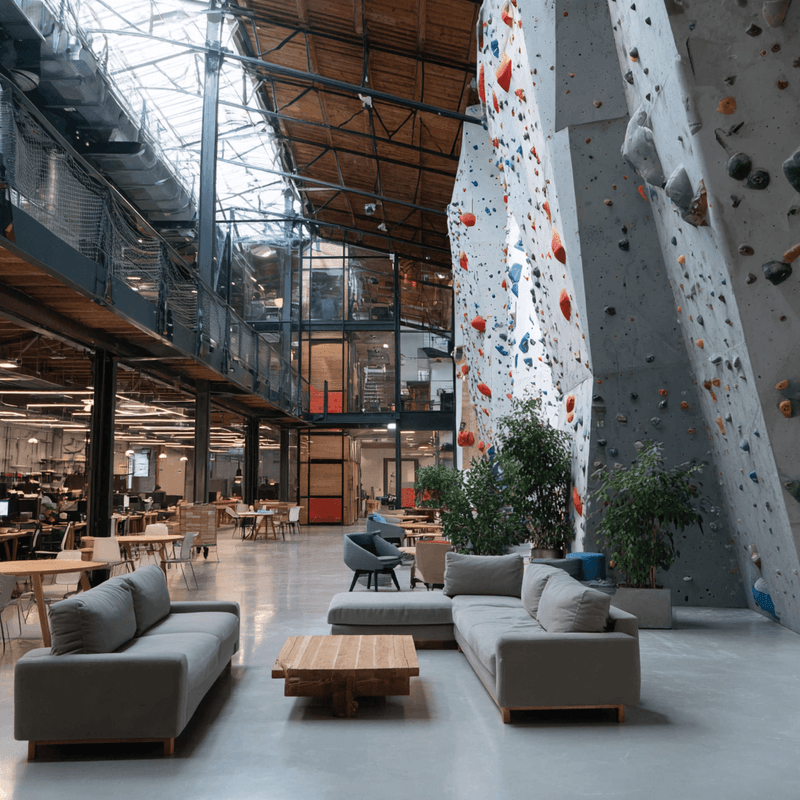
22/12/2025 Sport coworking: when the workspace becomes a place of well-being and performance
After the democratization of telecommuting, the rise of the flex-office and the growing popularity of third places, a new trend is quietly but surely emerging: sports coworking. A trend as powerful as the French craze for running in France. At the crossroads of well-being, performance and transformed uses, these hybrid spaces are challenging the way we live and work.
-
Announcing the birth of new coworking spaces
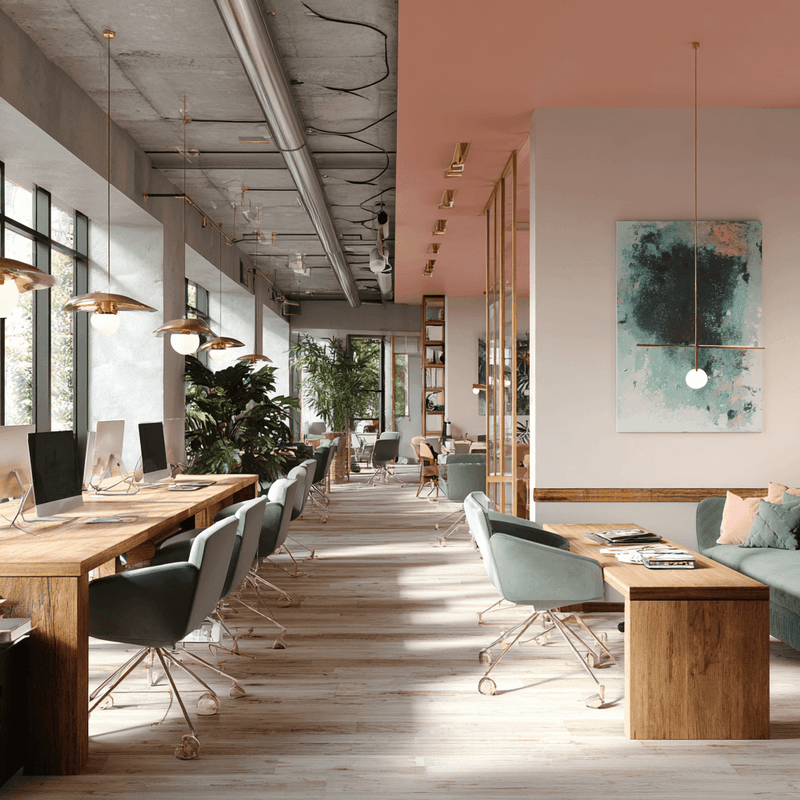
01/12/2025 Announcing the birth of new coworking spaces
Looks like the family is growing! Everywhere in France in 2025, new coworking spaces and flexible workspaces are springing up, in Paris of course, but also in Rennes, Dijon, Clermont, Brest, and even in small towns that had never seen a shared office before.