







In recent years, the workspace landscape has changed radically. Yes, it's a fact, and you're going to have to seriously think about reconsidering the value of a traditional office on a commercial lease before you sign your next rental! Coworking and flexible office spaces are no longer just a trend: they've become an essential way of working for many companies. By offering shared, flexible spaces, they are profoundly transforming the way teams collaborate and, by extension, the way managers exercise their leadership. How are managers adapting to these atypical environments? What challenges and opportunities are emerging for them? Here's how.
Coworking: a breeding ground for managerial innovation
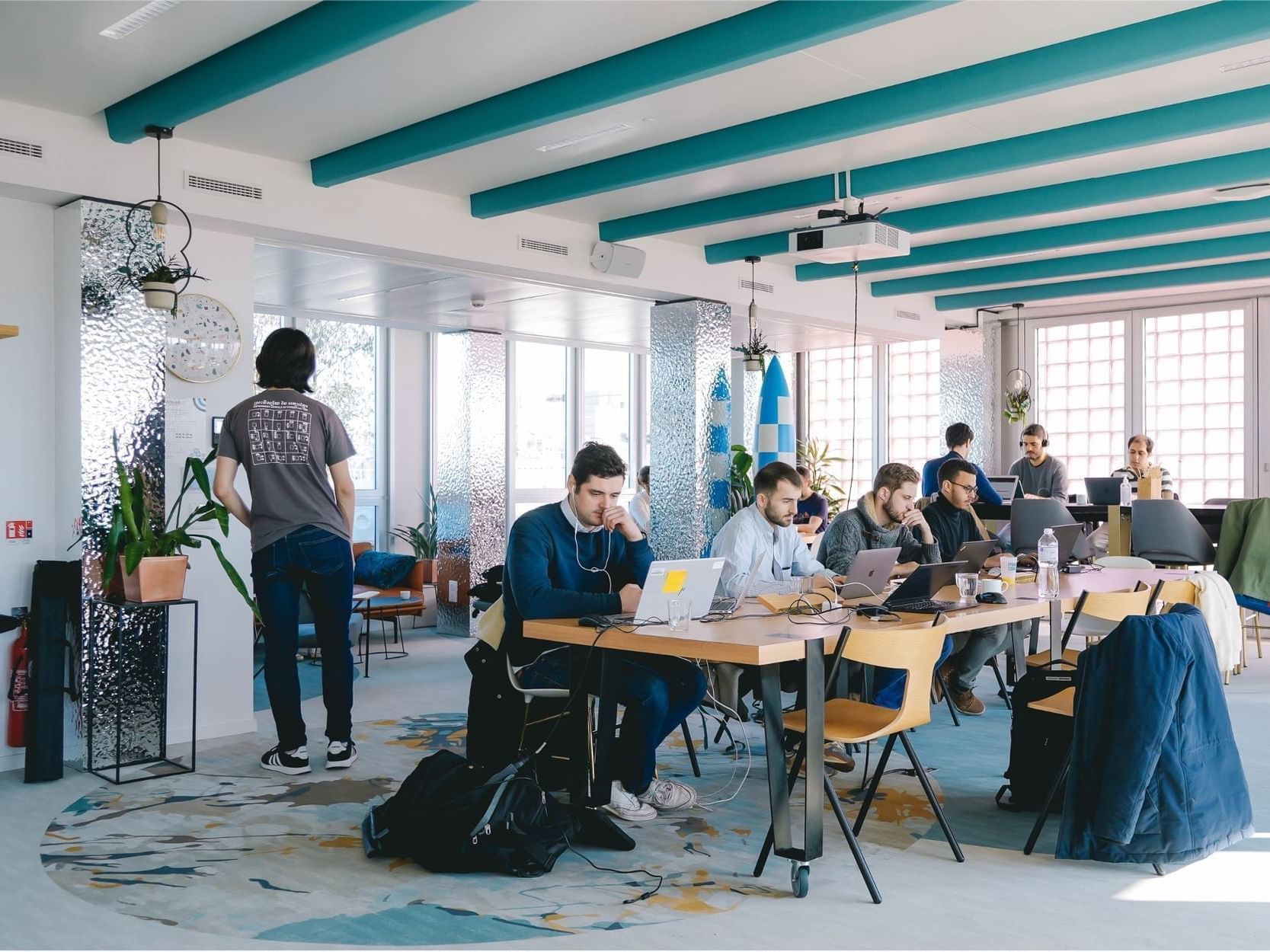
Coworking spaces and flexible offices, often associated with a start-up culture (FALSE!), are characterized by their flexibility, diversity and conviviality (TRUE!). They break down traditional office barriers by encouraging cross-functionality, resource sharing and interaction. For managers, this context calls for a revision of traditional management methods. The closed office and formal meetings give way to spontaneous discussions over coffee or impromptu collaborations, but also to hybrid or remote meetings. The key lies in the hyper-personalization of human relations and relationships.
This transformation offers a number of advantages, including
- More autonomous teams: Flexible workspaces encourage employees to organize themselves, which in turn encourages managers to take on the role of facilitator rather than supervisor.
- Greater creativity: The cross-fertilization of ideas, made possible by proximity to other professionals from different sectors, stimulates innovation.
- Reduced silos: The fluidity of interactions encourages cross-functional leadership, where the manager acts as a link between different skills and projects.
New challenges for coworking managers
While coworking spaces offer numerous opportunities and configurations, they also pose specific challenges for managers. They need to reinvent their practices to meet new demands. One of today's major challenges is to maintain team cohesion at a distance. Hybrid teams, straddling flexible workspaces and telecommuting, are now a norm that can be difficult to cope with.
They make it essential for managers to maintain a strong corporate culture, even at a distance. This calls for the regular organization of team meetings, the use of digital collaborative tools and the creation of convivial moments. HR departments are increasingly offering tools and training to help managers in their day-to-day work, as are the coworking spaces themselves. Coworking managers help to foster relationships with and between their members.
To develop a high-performance management culture, they implement numerous actions and best practices:
- Adopt inclusive leadership: in a shared space, it's essential that every employee feels listened to and valued. The manager encourages a diversity of viewpoints, while taking care to respect individual needs, such as concentration or privacy.
- Managing confidentiality and data security: in an open environment, guaranteeing the security of sensitive information becomes a crucial issue. Managers put in place appropriate tools and processes, while raising awareness of best practices among their teams.
- Towards agile, collaborative leadership : to thrive in coworking spaces and agile offices, managers are increasingly adopting an agile leadership posture. This means fostering autonomy, practicing active listening and encouraging collective innovation.
Coworking, a lever for reinventing management
By integrating a flexible workspace, managers position themselves as key players in the transformation of work. This new framework pushes them out of their comfort zone to embrace a more human, collaborative and adaptable leadership style.
Far from being a constraint, coworking represents a tremendous opportunity to redefine managerial roles and practices. In a fast-changing world of work, these flexible spaces show that the key to success lies in the ability to innovate, listen and adapt to individual needs.
Today's managers who embrace these changes are sure to be tomorrow's leaders. So, are you ready to leave your closed office?
-
How do companies assert their identity in a shared space?
12/05/2025 How do companies assert their identity in a shared space?
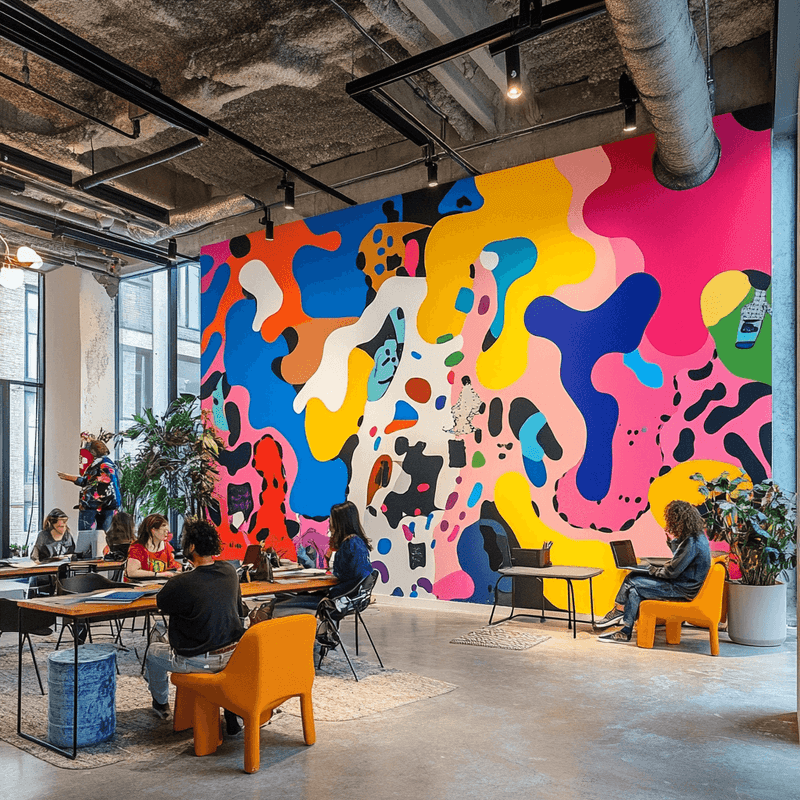
Coworking spaces are places designed for the collective: so how can a company assert its own identity? While flexible space brands strive to be recognizable and identifiable among a thousand, they also enable their occupants to make their own workspaces their own.
-
Coworking: how to create, open and run a shared workplace?

03/05/2025 Coworking: how to create, open and run a shared workplace?
Coworking spaces are springing up all over France. How do they emerge today, and what room is left for new entrants to the flexible workspace market?
-
Coworking: how to prepare employees for flexible working?

03/04/2025 Coworking: how to prepare employees for flexible working?
As coworking spaces win over more and more employees, how can companies support this shift towards greater flexibility, without losing cohesion or performance? Here are a few tips!