




Meeting rooms China
561 results
Book and pay for your meeting room online!
Filter by the number of people you want for best results.
-
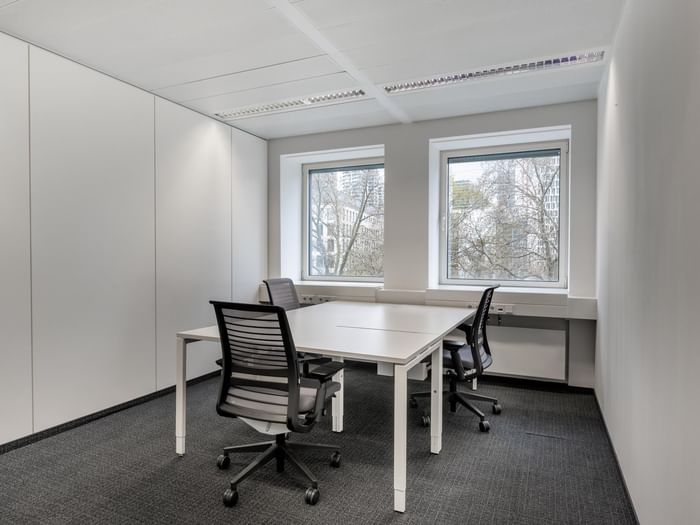
Meeting room CM Jinhe Regus Tianjin Riverview Place 3&4/F, Tianjin Riverview Place No. 238 Liuwei Road Hedong District,
1 - 3- hour ¥ 29
- 1/2 day ¥ 116
- day ¥ 261
- week __
-
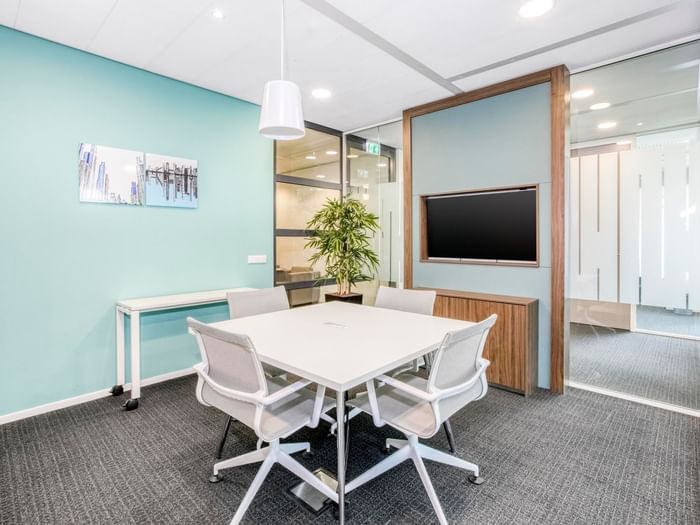
Meeting room zzz1105 Regus Kerry Centre 11/F North Tower, Beijing Kerry Centre 1 Guanghua Road Chaoyang District
1 - 4- hour ¥ 36
- 1/2 day ¥ 144
- day ¥ 324
- week __
-
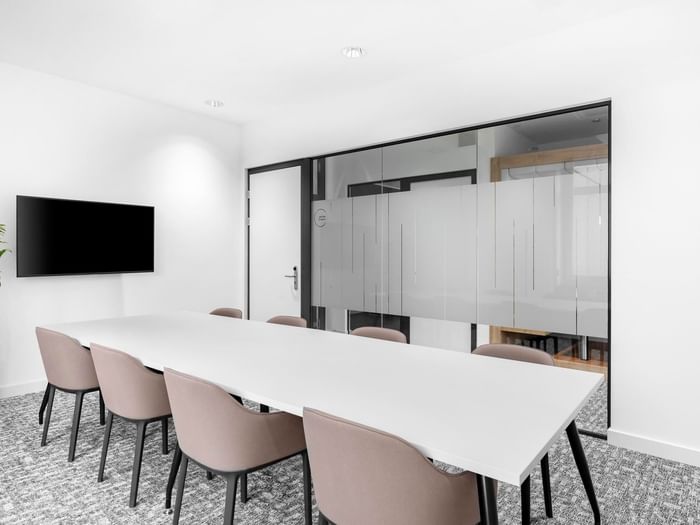
Meeting room MR04 HQ Spring Town 9/F, No. 599, Yunxizhong Road, Tonglu County, Hangzhou City, Zhejiang Province
1 - 8- hour ¥ 50
- 1/2 day ¥ 159
- day ¥ 279
- week __
-
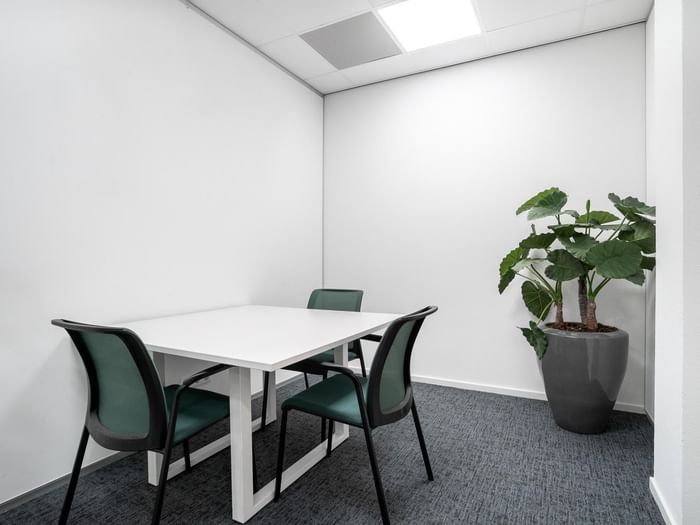
Meeting room CM 901-25 Regus Delixi Mansion 9/F, Building A, Delixi Mansion No.28 Xueyuan Road, Xihu District,
1 - 3- hour ¥ 50
- 1/2 day ¥ 159
- day ¥ 279
- week __
-
Meeting room CM 1802-08 Regus China Resources centre 18F West Tower Shounuo City Light Northeast of the intersection of Qizhou Road and Qingdao Huaiyin District
1 - 3- hour ¥ 50
- 1/2 day ¥ 159
- day ¥ 279
- week __
-
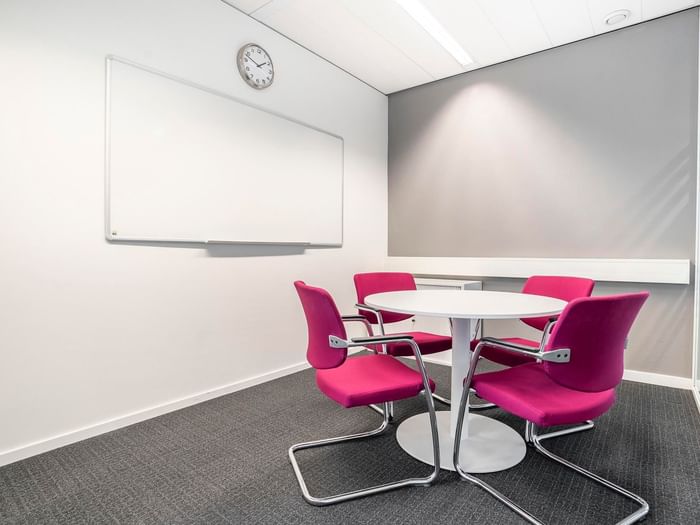
Meeting room CM-01 Regus Spotlight Center 10/F, Building A, No. 459 Qianmo Road, Xixing Street Binjiang District, Zhejiang Province
1 - 4- hour ¥ 50
- 1/2 day ¥ 159
- day ¥ 279
- week __
-
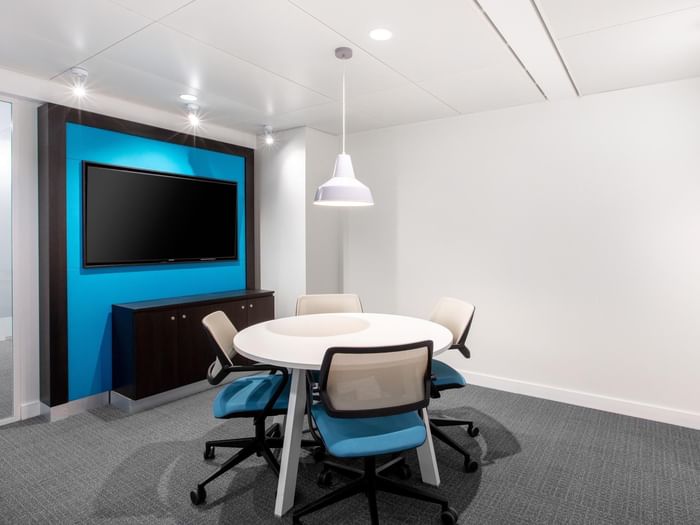
Meeting room MR-02 Spaces 236 Pinglan Road No. 236 Pinglan Road, Yingfeng Street,Building 4, EIC, 5/F,Xiaoshan District
1 - 4- hour ¥ 50
- 1/2 day ¥ 159
- day ¥ 279
- week __
-
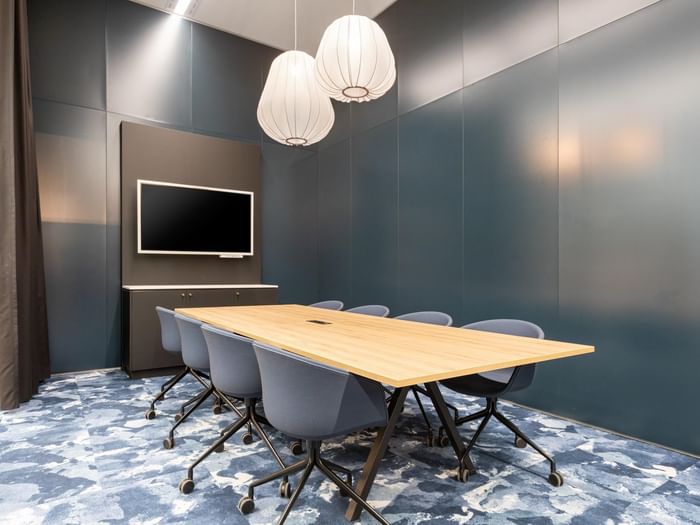
Meeting room MR-01 HQ Wanda Centre 12/F, Building A, Tianrun Square, Northside Yong'an Street, Westside Jiaoyu Road,North District, Shijiazhuang
1 - 8- hour ¥ 50
- 1/2 day ¥ 159
- day ¥ 279
- week __
-
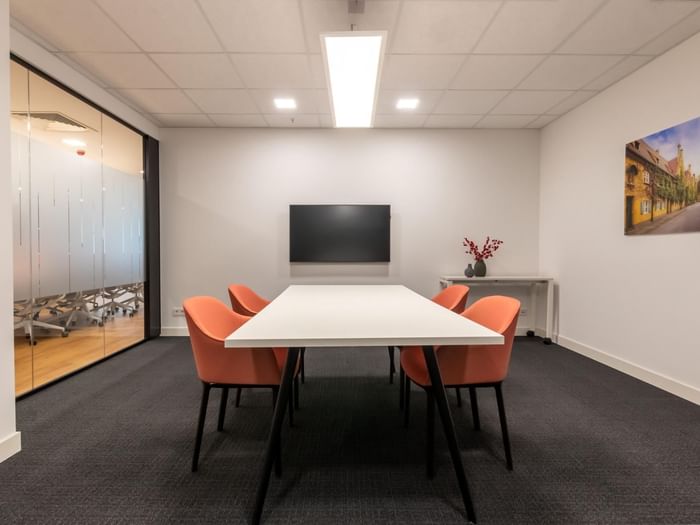
Meeting room MR-02 HQ Wanda Centre 12/F, Building A, Tianrun Square, Northside Yong'an Street, Westside Jiaoyu Road,North District, Shijiazhuang
1 - 4- hour ¥ 50
- 1/2 day ¥ 159
- day ¥ 279
- week __
-
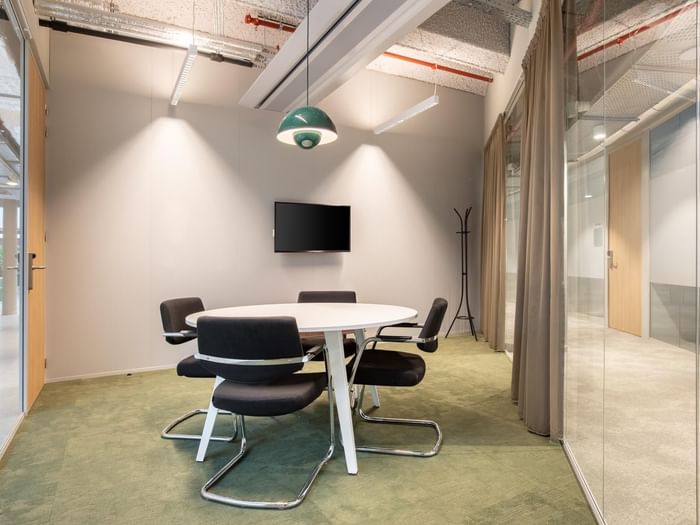
Meeting room MR-02 Regus Financial Innovation Centre 28/F, No. 901, Science and Technology Avenue, Dayun Town, Zhejiang Province
1 - 4- hour ¥ 50
- 1/2 day ¥ 159
- day ¥ 279
- week __
-
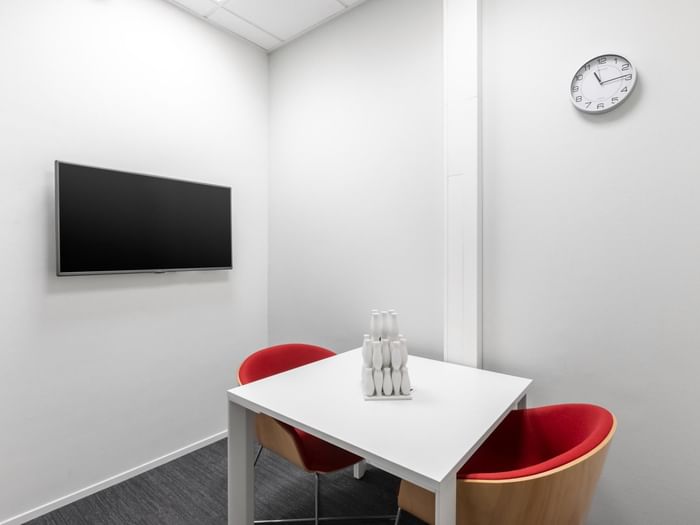
Meeting room CM 1105 Regus Garden Square 11/F, Garden Square No. 968 West Beijing Road Jing’an District
1 - 2- hour ¥ 50
- 1/2 day ¥ 200
- day ¥ 450
- week __
-
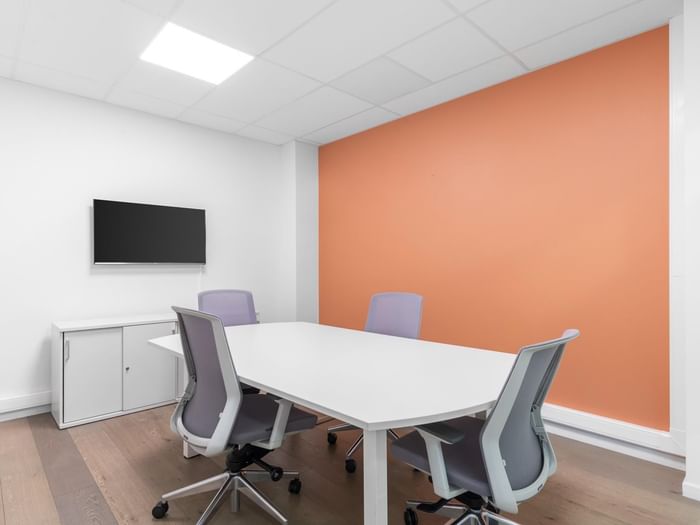
Meeting room MR-02 HQ Dingxin Building No. 432, Middle Section of Zhenhai Avenue, Luotuo Street, Zhenhai District,
1 - 4- hour ¥ 50
- 1/2 day ¥ 200
- day ¥ 500
- week __
-
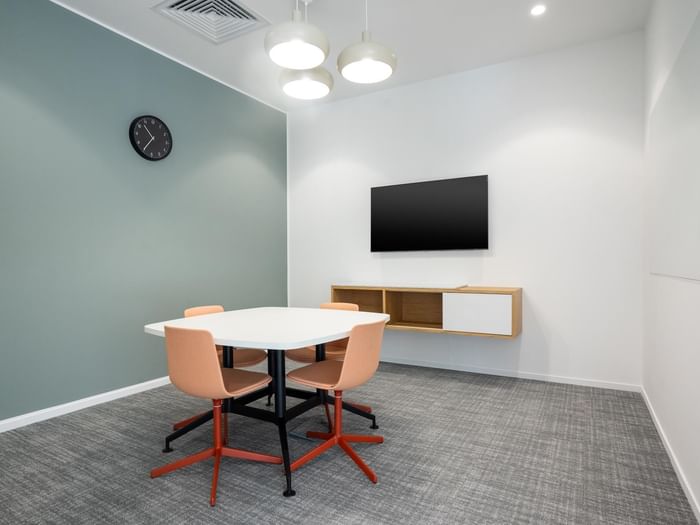
Meeting room CM-02 HQ Dingxin Building No. 432, Middle Section of Zhenhai Avenue, Luotuo Street, Zhenhai District,
1 - 4- hour ¥ 50
- 1/2 day ¥ 200
- day ¥ 500
- week __
-
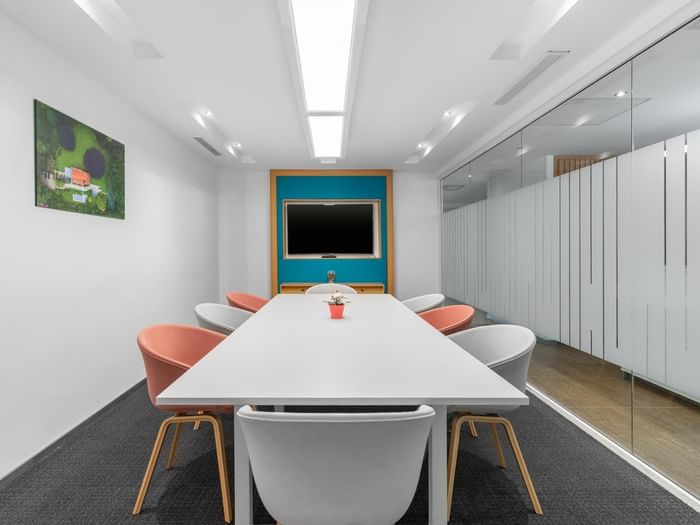
Meeting room MR-101 HQ Shuangchuang Building 5/F Small and Micro Incubator 915, Zone A, Shuangchuang Building
1 - 8- hour ¥ 80
- 1/2 day ¥ 255
- day ¥ 447
- week __
-
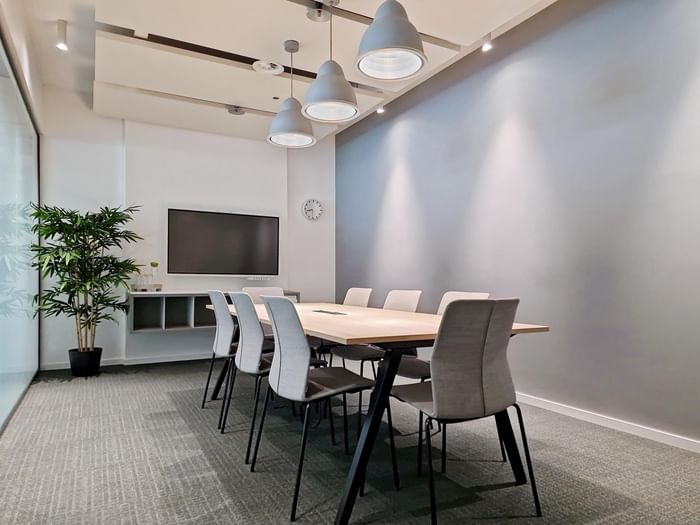
Meeting room MR-01 HQ Xingkang 1st Street 7/F Xingkang 1st Street, Shuangliu District, Sichuan Province
1 - 7- hour ¥ 80
- 1/2 day ¥ 255
- day ¥ 447
- week __
-
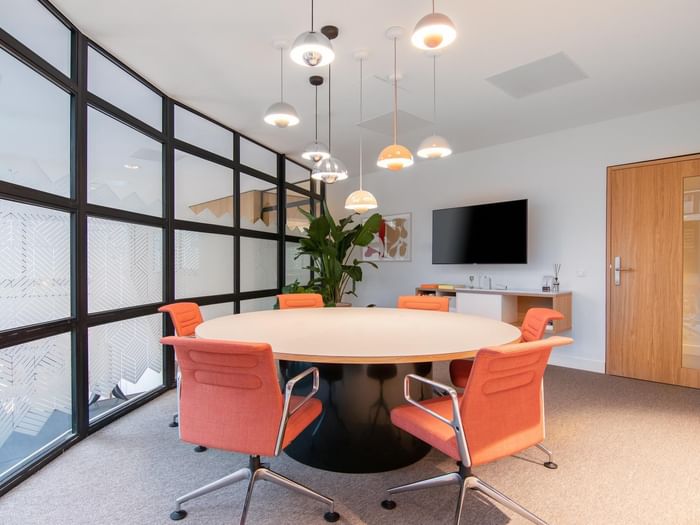
Meeting room MR-02 HQ Xingkang 1st Street 7/F Xingkang 1st Street, Shuangliu District, Sichuan Province
1 - 6- hour ¥ 80
- 1/2 day ¥ 255
- day ¥ 447
- week __
-
Meeting room MR-622 Regus 89 Jilong Road 6,7/F, Zhenfeng Plaza NO. 89 Jilong Road Pudongxin District
1 - 3- hour ¥ 80
- 1/2 day ¥ 255
- day ¥ 447
- week __
-
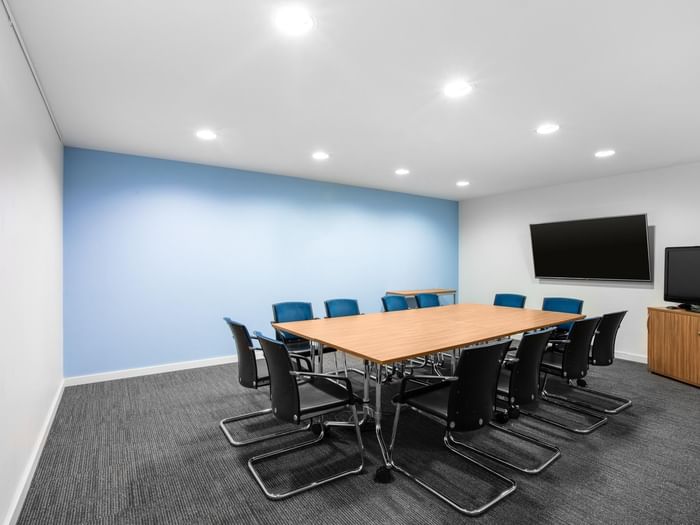
Meeting room West Lake Regus Delixi Mansion 9/F, Building A, Delixi Mansion No.28 Xueyuan Road, Xihu District,
1 - 12- hour ¥ 80
- 1/2 day ¥ 255
- day ¥ 447
- week __
-
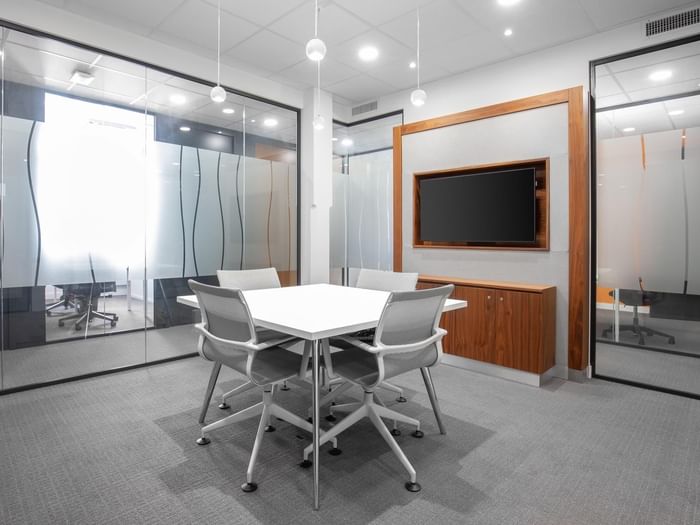
Meeting room MR-01 Regus Spotlight Center 10/F, Building A, No. 459 Qianmo Road, Xixing Street Binjiang District, Zhejiang Province
1 - 4- hour ¥ 80
- 1/2 day ¥ 255
- day ¥ 447
- week __
-
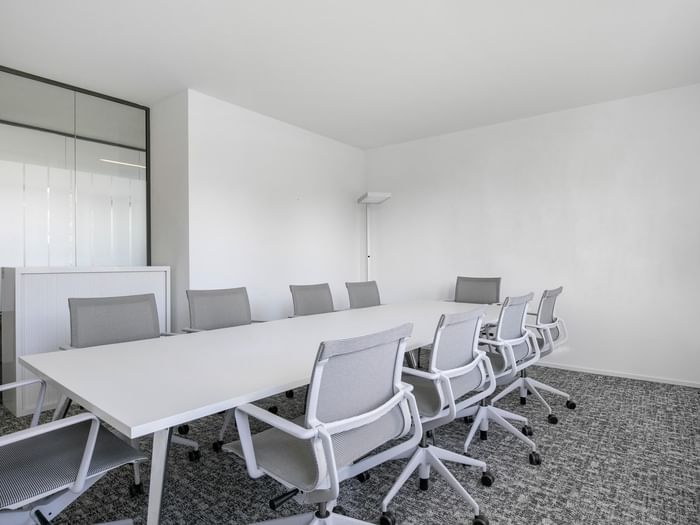
Meeting room MR-02 Regus Spotlight Center 10/F, Building A, No. 459 Qianmo Road, Xixing Street Binjiang District, Zhejiang Province
1 - 10- hour ¥ 80
- 1/2 day ¥ 255
- day ¥ 447
- week __
-
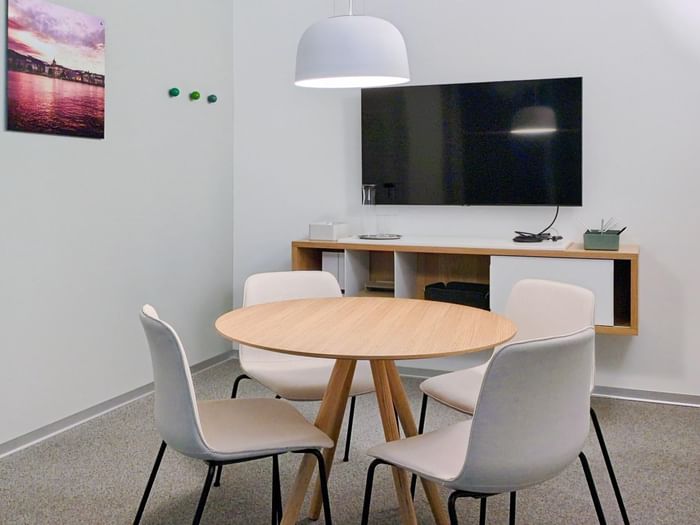
Meeting room MR-02 Regus Hefei Financial Plaza 6th Floor, Block B, Blue Diamond Shangjie, No. 335 Suixi Road, Bozhou Road Subdistrict, Luyang District, Anhui Province
1 - 4- hour ¥ 80
- 1/2 day ¥ 255
- day ¥ 447
- week __
-
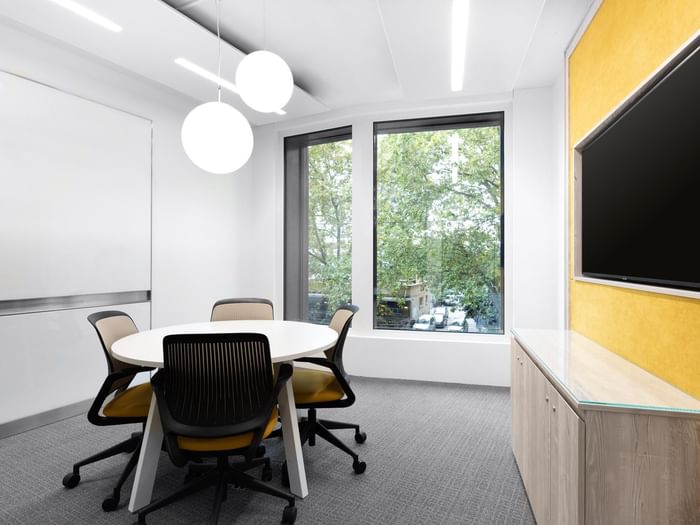
Meeting room CM 13A13 Regus Kunming Square 13A/F, Kunming Square No.926, Beijing Road, Panlong District
1 - 4- hour ¥ 80
- 1/2 day ¥ 255
- day ¥ 447
- week __
-
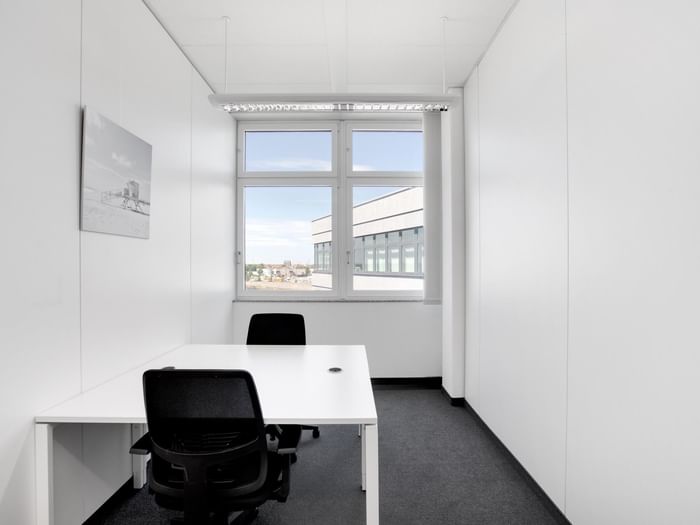
Meeting room CM 1538 Regus Yangyang Spring 15/F, Tower 1, Yangyang Spring Investment Building No. 66 Yangming East Road Donghu District
1 - 2- hour ¥ 80
- 1/2 day ¥ 255
- day ¥ 447
- week __
-
Meeting room CM 1821 Regus China Life Tower Ningbo 18 F, China Life Tower No. 777, Lingqiao Road, Haishu District,
1 - 3- hour ¥ 80
- 1/2 day ¥ 255
- day ¥ 447
- week __
-
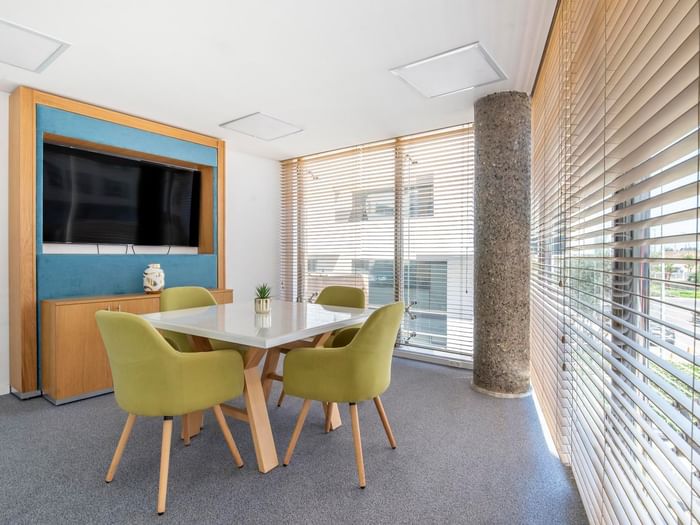
Meeting room 13A13 Regus Kunming Square 13A/F, Kunming Square No.926, Beijing Road, Panlong District
1 - 4- hour ¥ 80
- 1/2 day ¥ 255
- day ¥ 447
- week __
-
Meeting room MR-02 Regus LFQ Tower 19F, LFQ Tower, Innovation Avenue, Shushan District, Anhui Province
1 - 4- hour ¥ 80
- 1/2 day ¥ 255
- day ¥ 447
- week __
-
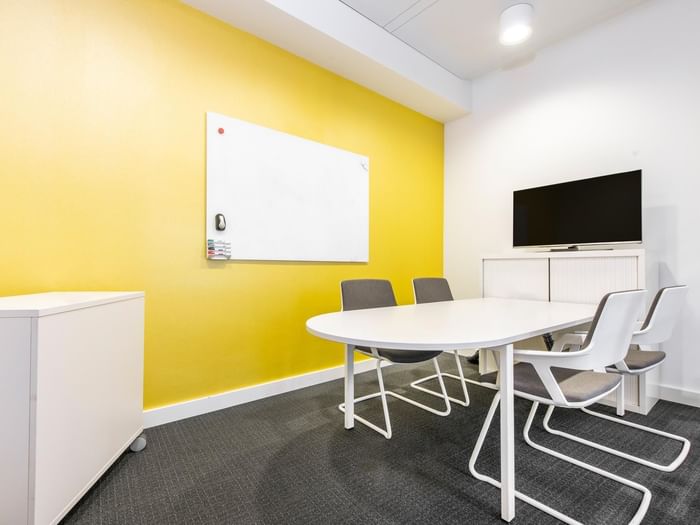
Meeting room MR-01 Regus Golden Eagle Building No. 28, Sunwen East Road,7/F, Block 2, Golden Eagle Building,Shiqi District
1 - 4- hour ¥ 80
- 1/2 day ¥ 255
- day ¥ 447
- week __
-
Meeting room MR-02 Regus Golden Eagle Building No. 28, Sunwen East Road,7/F, Block 2, Golden Eagle Building,Shiqi District
1 - 6- hour ¥ 80
- 1/2 day ¥ 255
- day ¥ 447
- week __
-
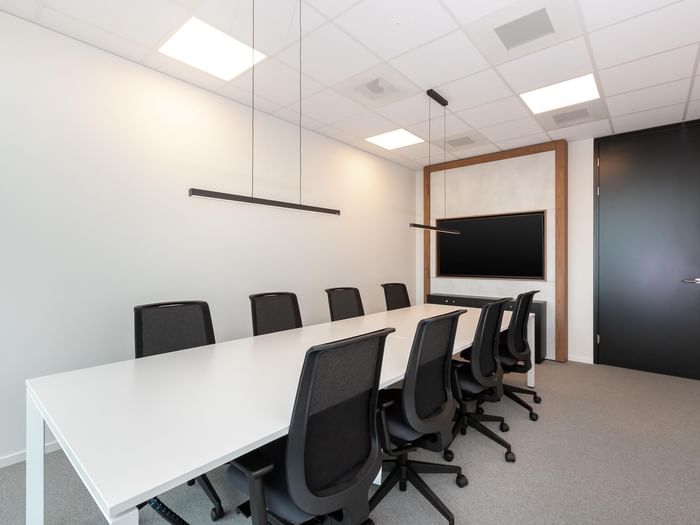
Meeting room MR-01 Spaces 236 Pinglan Road No. 236 Pinglan Road, Yingfeng Street,Building 4, EIC, 5/F,Xiaoshan District
1 - 8- hour ¥ 80
- 1/2 day ¥ 255
- day ¥ 447
- week __
-
Meeting room MR-02 Spaces 72 Wenjing Road 2F/3F/4F, No.72 Wenjing Road,Weiyang District
1 - 3- hour ¥ 80
- 1/2 day ¥ 255
- day ¥ 447
- week __
-
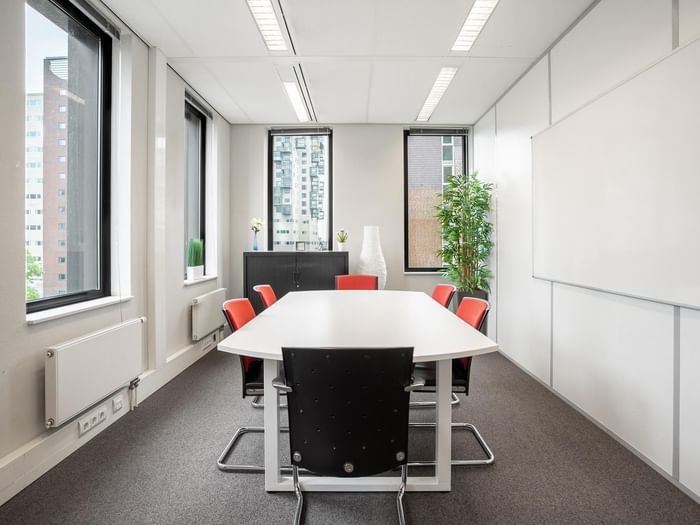
Meeting room CM-2208 Regus Railway Fund Building No. 7000 Jingshi Road, Shunhua Road Street,22/F, Building 1, Zone 5, Hanyu Financial and Business Center,Jinan Area, China(Shandong) Pilot Free Trade Zone
1 - 6- hour ¥ 80
- 1/2 day ¥ 255
- day ¥ 447
- week __
-
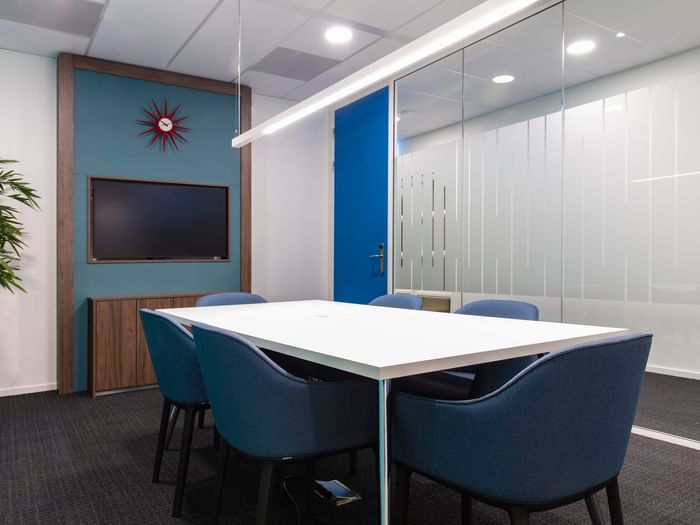
Meeting room MR01 Regus Railway Fund Building No. 7000 Jingshi Road, Shunhua Road Street,22/F, Building 1, Zone 5, Hanyu Financial and Business Center,Jinan Area, China(Shandong) Pilot Free Trade Zone
1 - 6- hour ¥ 80
- 1/2 day ¥ 255
- day ¥ 447
- week __
-
Meeting room MR-02 Regus 588 Xiangrong Road Building C, Sino-Dutch(Suzhou) Science and Technology Innovation Port,No. 588 Xiangrong Road, Xiangcheng District, Jiangsu Province
1 - 4- hour ¥ 80
- 1/2 day ¥ 255
- day ¥ 447
- week __
-
Meeting room MR-01 Regus Cultural Industry Park Jining Cultural Industry Park Construction Project,8/F, Building D, Cultural and Creative Base
1 - 4- hour ¥ 80
- 1/2 day ¥ 255
- day ¥ 447
- week __
-
Meeting room MR-01 Regus Financial Innovation Centre 28/F, No. 901, Science and Technology Avenue, Dayun Town, Zhejiang Province
1 - 12- hour ¥ 80
- 1/2 day ¥ 255
- day ¥ 447
- week __
-
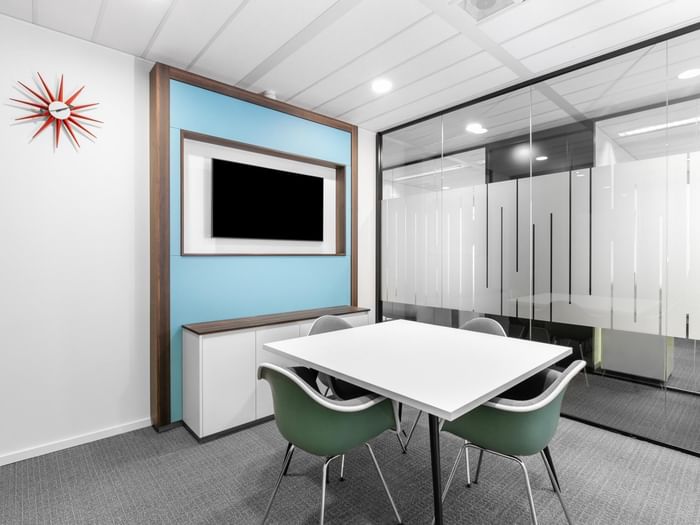
Meeting room CM 1110 Regus Yanyin Center 11/F Intersection of Jingtan Road and Yanjia Road, Shangcheng District
1 - 4- hour ¥ 80
- 1/2 day ¥ 255
- day ¥ 447
- week __
-
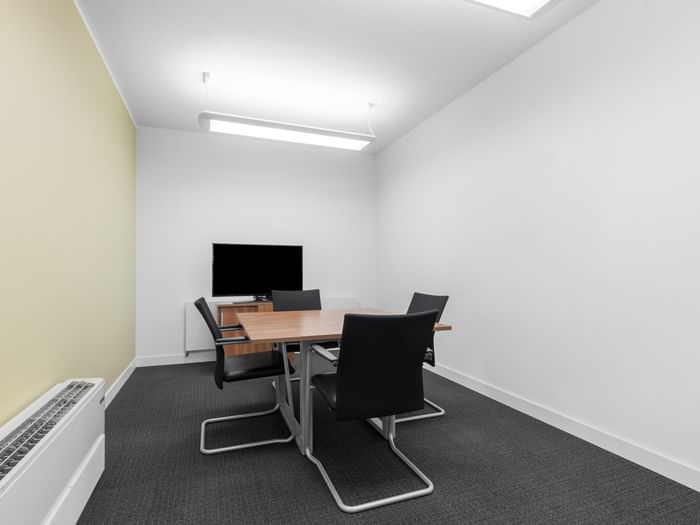
Meeting room MR-02 Regus Cultural Industry Park Jining Cultural Industry Park Construction Project,8/F, Building D, Cultural and Creative Base
1 - 4- hour ¥ 80
- 1/2 day ¥ 255
- day ¥ 447
- week __
-
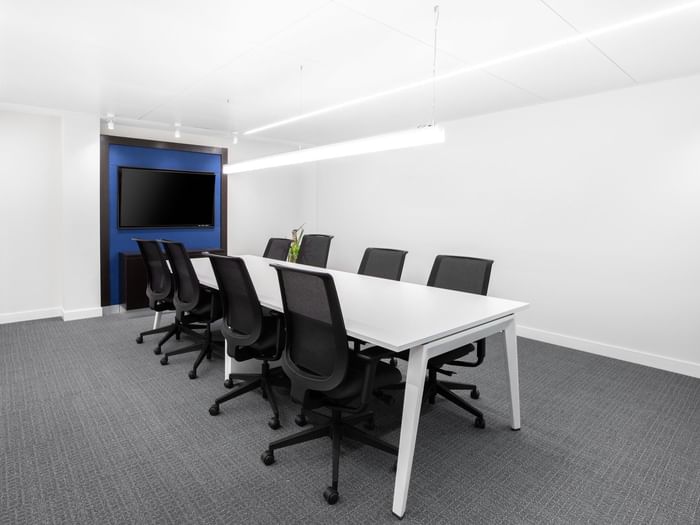
Meeting room CM 01 Regus Yanyin Center 11/F Intersection of Jingtan Road and Yanjia Road, Shangcheng District
1 - 8- hour ¥ 80
- 1/2 day ¥ 255
- day ¥ 447
- week __
-
Meeting room 1110 Regus Yanyin Center 11/F Intersection of Jingtan Road and Yanjia Road, Shangcheng District
1 - 4- hour ¥ 80
- 1/2 day ¥ 255
- day ¥ 447
- week __
-
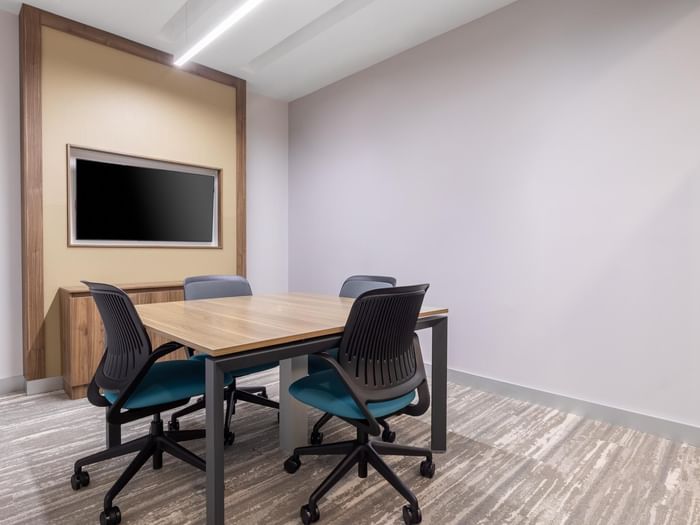
Meeting room MR-02 Regus South Taihu CBD Building 1, East Area, Changdong Financial Center,10/F, Binhu Street,South Taihu New District, Zhejiang Province
1 - 4- hour ¥ 80
- 1/2 day ¥ 255
- day ¥ 447
- week __
-
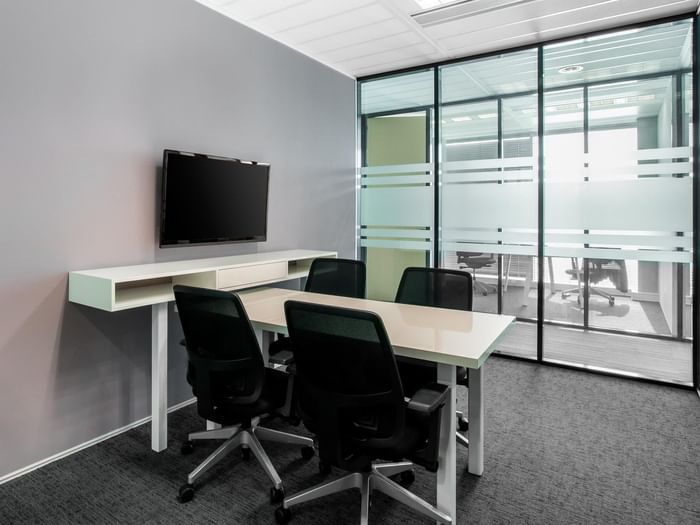
Meeting room MR-02 Regus Wangjing Building Building 3, No.9 Zhonghuan South Road, Wangjing,17-18/F,Chaoyang District
1 - 4- hour ¥ 80
- 1/2 day ¥ 255
- day ¥ 447
- week __
-
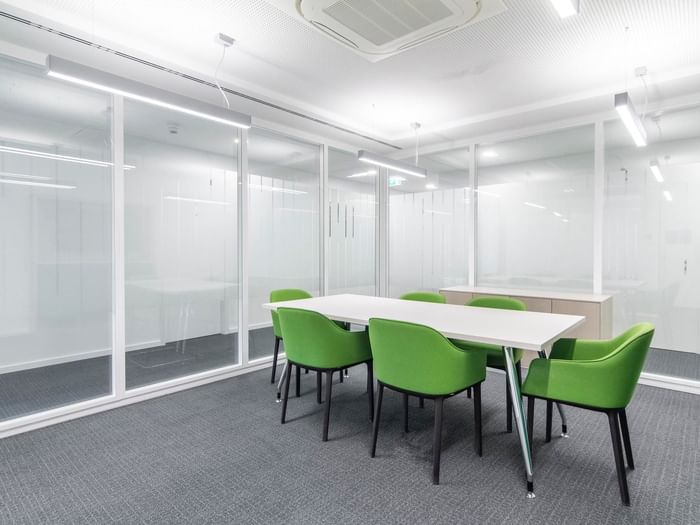
Meeting room MR-01 Regus Gravity Plaza Building 1, Shuiying Tiancheng Community,11/F, Hushan Street, Cixi City,Zhejiang Province
1 - 6- hour ¥ 80
- 1/2 day ¥ 255
- day ¥ 447
- week __
-
Meeting room 0215 HQ Xixian New Area Financial Port Hantuo ge, intersection of Energy Road No.1 and Shanglin Road,Building 4-B1, The Energy and Finance District of Fengdong,Xixian New Area
1 - 3- hour ¥ 80
- 1/2 day ¥ 255
- day ¥ 447
- week __
-
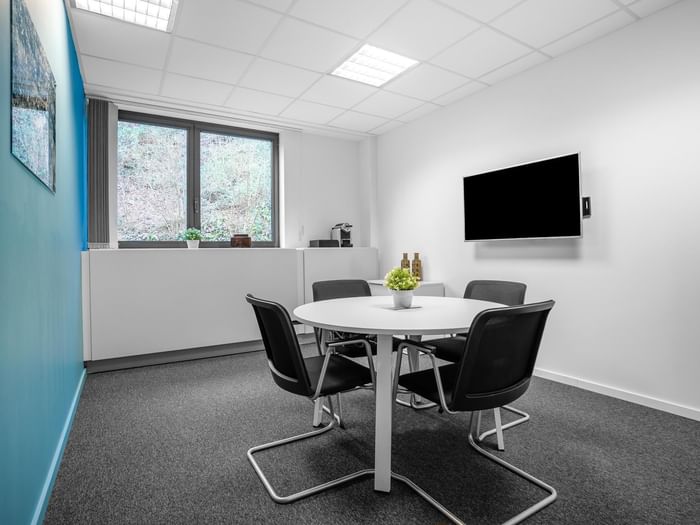
Meeting room CM 1705 Regus Wangjing Building Building 3, No.9 Zhonghuan South Road, Wangjing,17-18/F,Chaoyang District
1 - 4- hour ¥ 80
- 1/2 day ¥ 255
- day ¥ 447
- week __
-
Meeting room MR-01 Regus Century Oriental Building 6/F, No. 661 Fuming Road, Fuming Street, Yizhou District, Zhejiang Province
1 - 4- hour ¥ 80
- 1/2 day ¥ 320
- day ¥ 640
- week __
-
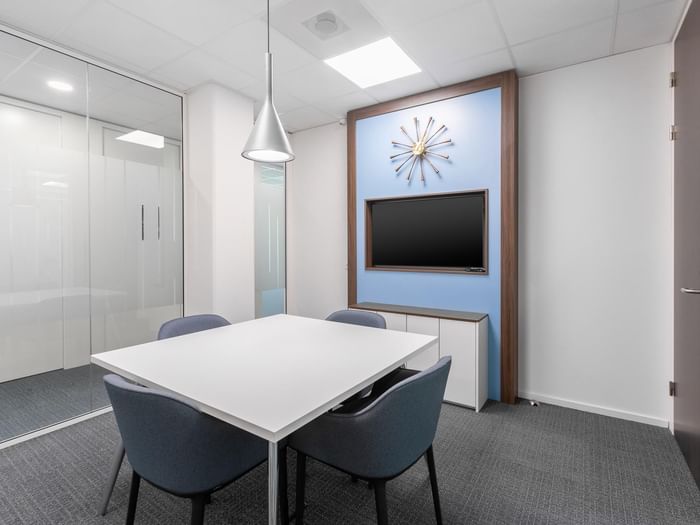
Meeting room MR-403 HQ Advanced Building 496 Wenwu West Road, Jingkai District, Sichuan Province 4th Floor
1 - 4- hour ¥ 80
- 1/2 day ¥ 320
- day ¥ 720
- week __
-
Meeting room CM 1433 HQ Chongwen Building 311 Renmin East Road, Liangxi District, Jiangsu Province Level 14
1 - 4- hour ¥ 80
- 1/2 day ¥ 320
- day ¥ 720
- week __
-
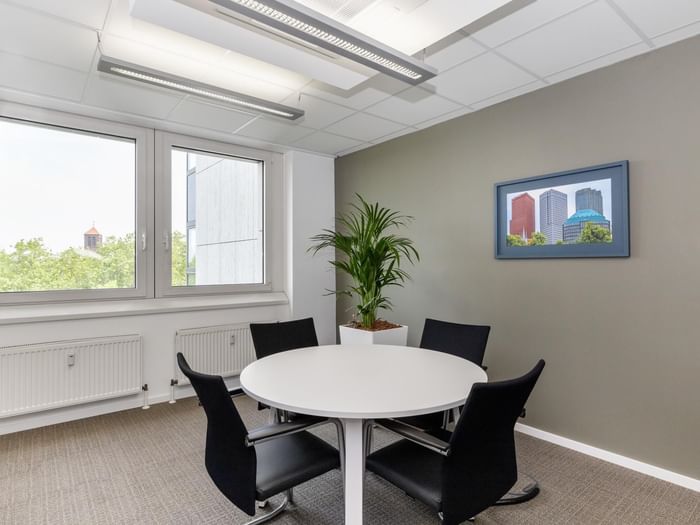
Meeting room CM 1322 HQ Greenland New Coast Building 4, Block B,Phase 6,Greenland Haichangliu, No.1 Binxi 1st Street, Xiuying District, Haikou City, Hainan Province Room #2617,26th Floor
1 - 4- hour ¥ 80
- 1/2 day ¥ 320
- day ¥ 720
- week __
-
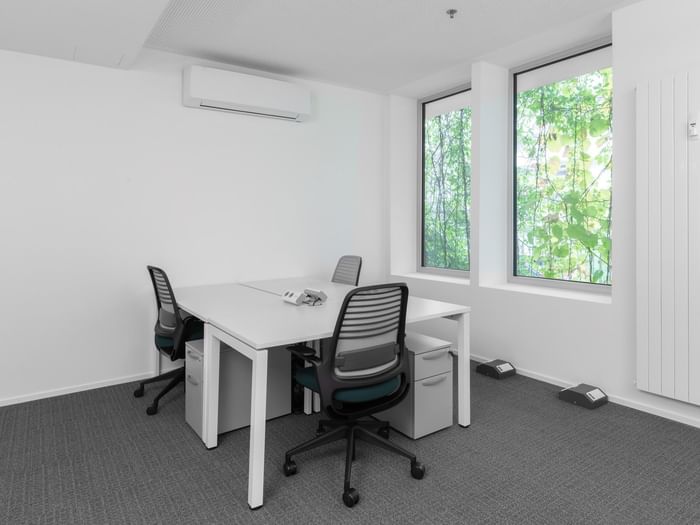
Meeting room CM 1707-03 Regus 25 Ronghe Road 17/F, Glory IFC No.25 Ronghe Road Nanhai District
1 - 3- hour ¥ 80
- 1/2 day ¥ 320
- day ¥ 720
- week __
-
Meeting room zzzzz635 Regus 270 Qianjin Middle Road 6/F, Kunshan ICC No. 270 Middle Qianjin Road Jiangsu Province
1 - 3- hour ¥ 80
- 1/2 day ¥ 320
- day ¥ 720
- week __
-
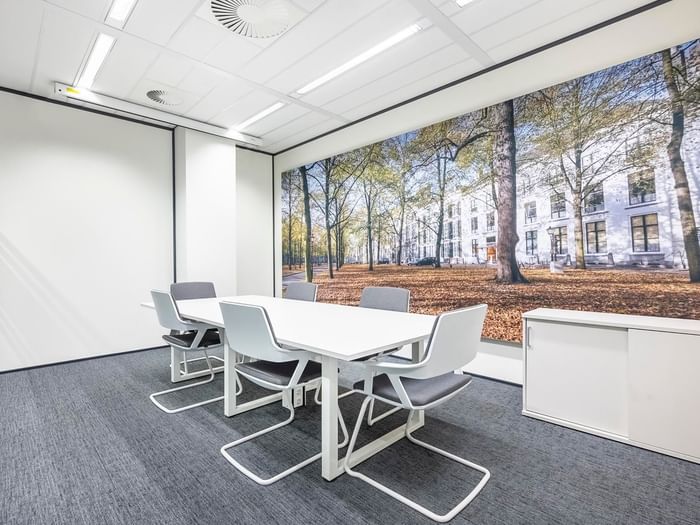
Meeting room MR-01 HQ Oriental International Centre East of Donghuan Road,south of Leimatai Substation Congtai District, Hebei Province
1 - 6- hour ¥ 80
- 1/2 day ¥ 320
- day ¥ 720
- week __
-
Meeting room MR-01 Regus La Roseraie 56 800 metres north of Daxing Airport North Terminal Building 3rd floor
1 - 4- hour ¥ 80
- 1/2 day ¥ 320
- day ¥ 720
- week __
-

Meeting room CM 3229 Regus China Resources Building 32F, China Resources Building No. 10, Shuangqing Road Chenghua District Sichuan Province
1 - 4- hour ¥ 80
- 1/2 day ¥ 320
- day ¥ 720
- week __
-
Meeting room MR-801-30 Regus Foreign Economics and Trade Plaza 8/F Tower B, Zhejiang Foreign Economy & Trade Plaz 468 Yan'an Road Xiacheng District
1 - 4- hour ¥ 80
- 1/2 day ¥ 320
- day ¥ 720
- week __
-
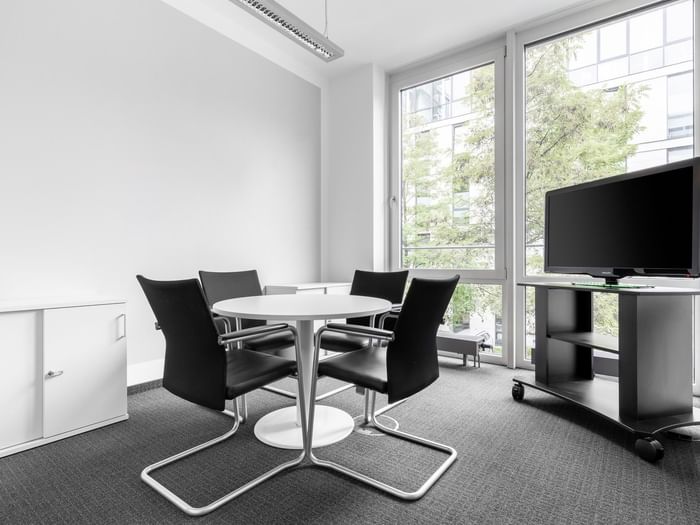
Meeting room CM 1112 Regus Yanyin Center 11/F Intersection of Jingtan Road and Yanjia Road, Shangcheng District
1 - 4- hour ¥ 80
- 1/2 day ¥ 320
- day ¥ 720
- week __
-
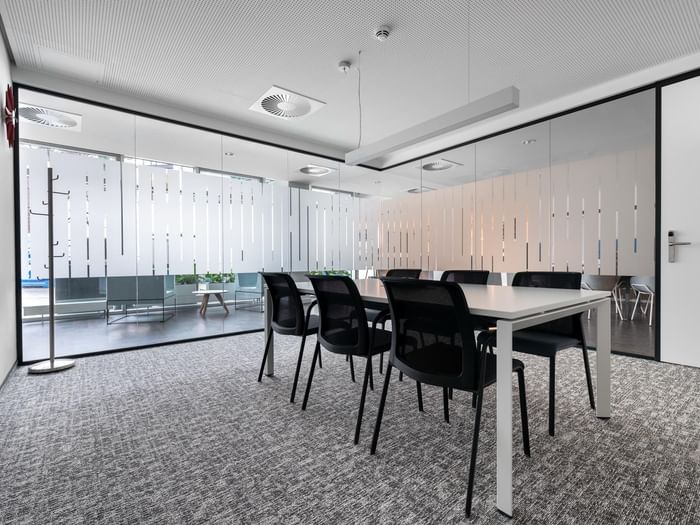
Meeting room MR-02 Regus Jinchuang Digital Building 233 Longpan Middle Road, Qinhuai District, Jiangsu Province Level 17 & 18
1 - 6- hour ¥ 80
- 1/2 day ¥ 320
- day ¥ 720
- week __
-
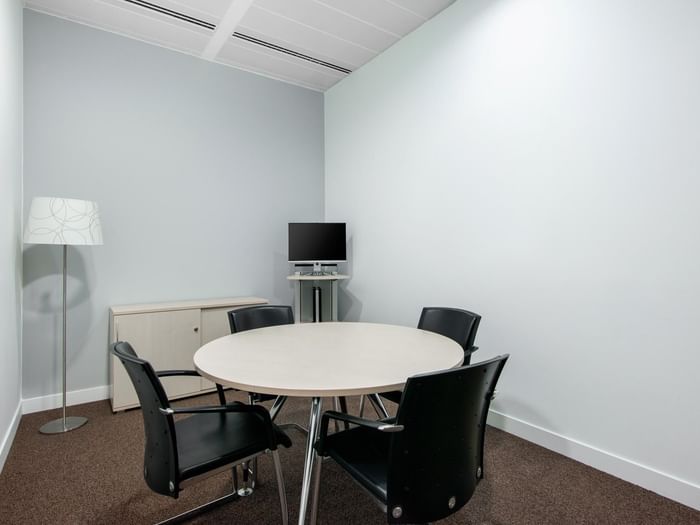
Meeting room MR-1173 Regus Garden Square 11/F, Garden Square No. 968 West Beijing Road Jing’an District
1 - 4- hour ¥ 80
- 1/2 day ¥ 320
- day ¥ 720
- week __
-
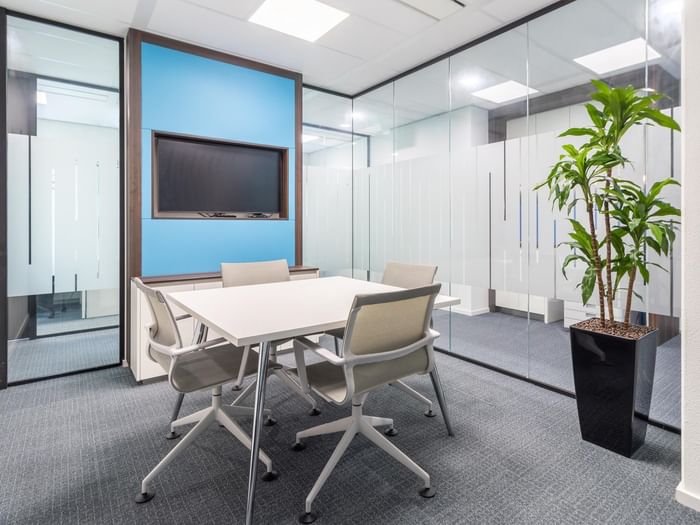
Meeting room CM 505 Regus The Hub 5/F, The Hub Tower 3(East) No.29 Suhong Road Minhang District
1 - 4- hour ¥ 80
- 1/2 day ¥ 320
- day ¥ 720
- week __
-
Meeting room MR-01 Regus Jingjinji Centre 69 Tadong Street Shijiazhuang Economic and Technological Development Zone
1 - 4- hour ¥ 80
- 1/2 day ¥ 320
- day ¥ 720
- week __
-
Meeting room CMR-01 Regus Digital Economy Center No. 133 Development Avenue, Jiaxing City, Zhejiang Province 20th Floor, Building 1
1 - 4- hour ¥ 80
- 1/2 day ¥ 320
- day ¥ 720
- week __
-
Meeting room MR-06 Spaces Digital Economy Industrial Park 6/F, No. 186 Jiefang Road, Xincheng District, Shaanxi Province
1 - 4- hour ¥ 80
- 1/2 day ¥ 320
- day ¥ 720
- week __
-
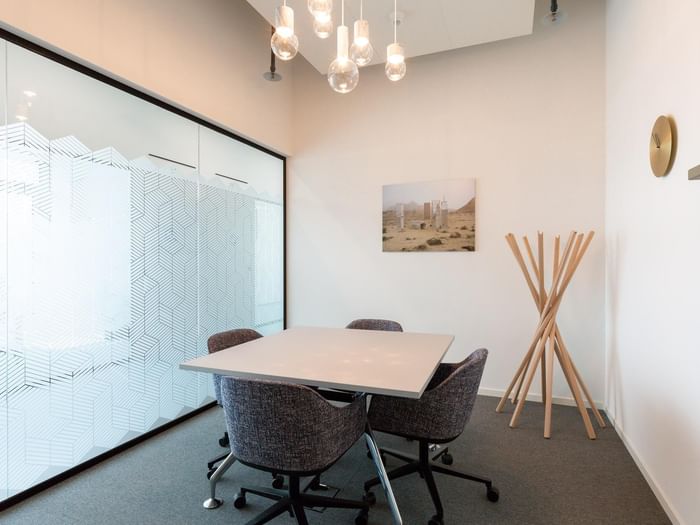
Meeting room CM 346 Regus Software New City Building A8, Phase II of Xi'an Software New City R&D Base
1 - 4- hour ¥ 80
- 1/2 day ¥ 320
- day ¥ 720
- week __
-
Meeting room CM 808 Regus International Plaza Xiamen 8/F International Plaza 8 Lujiang Road Siming District
1 - 4- hour ¥ 80
- 1/2 day ¥ 320
- day ¥ 720
- week __
-
Meeting room 835 Regus International Plaza Xiamen 8/F International Plaza 8 Lujiang Road Siming District
1 - 4- hour ¥ 80
- 1/2 day ¥ 320
- day ¥ 720
- week __
-
Meeting room CMR-01 Regus Venture Building 30F,West tower,Venture Building No.69,Science and Technology Avenue High-Tech District
1 - 6- hour ¥ 80
- 1/2 day ¥ 320
- day ¥ 720
- week __
-
Meeting room MR-02 Spaces Skyline Center No.33, Kuajing 2nd Road, Zhuhai-Macao Cross Border Industrial Zone 20th/21th Floor
1 - 4- hour ¥ 80
- 1/2 day ¥ 320
- day ¥ 720
- week __
-
Meeting room CMR-01 Regus Jingjinji Centre 69 Tadong Street Shijiazhuang Economic and Technological Development Zone
1 - 4- hour ¥ 80
- 1/2 day ¥ 320
- day ¥ 720
- week __
-
Meeting room MR-0215 HQ Xixian New Area Financial Port Hantuo ge, intersection of Energy Road No.1 and Shanglin Road,Building 4-B1, The Energy and Finance District of Fengdong,Xixian New Area
1 - 3- hour ¥ 80
- 1/2 day ¥ 320
- day ¥ 720
- week __
-
Meeting room CM 1302 HQ Greenland New Coast Building 4, Block B,Phase 6,Greenland Haichangliu, No.1 Binxi 1st Street, Xiuying District, Haikou City, Hainan Province Room #2617,26th Floor
1 - 4- hour ¥ 80
- 1/2 day ¥ 320
- day ¥ 720
- week __
-
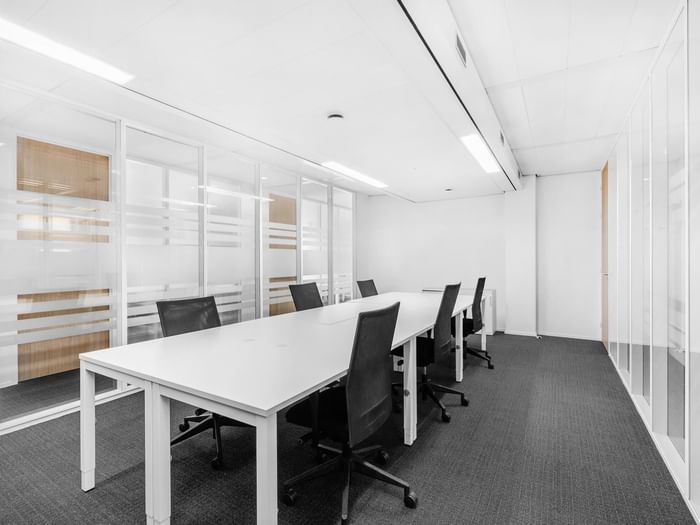
Meeting room CM 2551 Regus International Finance Square Unit 1-6, 25/F, Tower 1, International Finance Square (IFS) No. 1 Hongxing Road Section 3, Jinjiang District
1 - 5- hour ¥ 80
- 1/2 day ¥ 320
- day ¥ 720
- week __
-
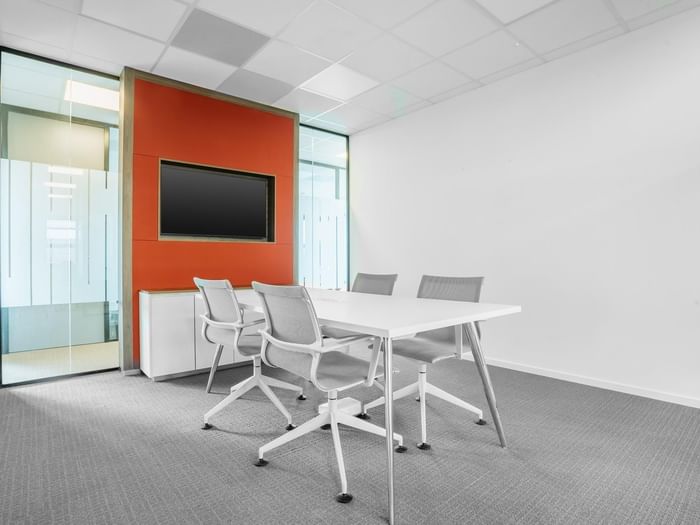
Meeting room 816 Regus International Plaza Xiamen 8/F International Plaza 8 Lujiang Road Siming District
1 - 4- hour ¥ 80
- 1/2 day ¥ 320
- day ¥ 720
- week __
-
Meeting room CM 1035 Regus Nison Plaza 10/F, Nison Plaza No. 205 Suzhou West Avenue, Suzhou Industrial Park
1 - 2- hour ¥ 80
- 1/2 day ¥ 320
- day ¥ 720
- week __
-
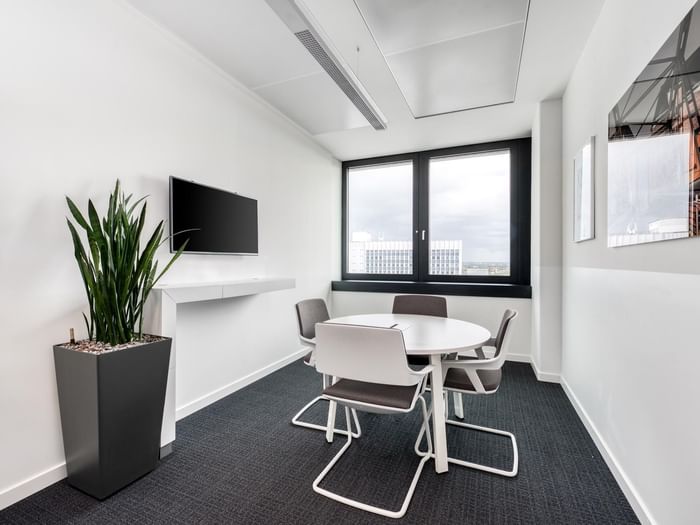
Meeting room 1302 HQ Greenland New Coast Building 4, Block B,Phase 6,Greenland Haichangliu, No.1 Binxi 1st Street, Xiuying District, Haikou City, Hainan Province Room #2617,26th Floor
1 - 4- hour ¥ 80
- 1/2 day ¥ 320
- day ¥ 720
- week __
-
Meeting room CM 3247 Regus China Resources Building 32F, China Resources Building No. 10, Shuangqing Road Chenghua District Sichuan Province
1 - 4- hour ¥ 80
- 1/2 day ¥ 320
- day ¥ 720
- week __
-
Meeting room CM 402 Regus La Roseraie 56 800 metres north of Daxing Airport North Terminal Building 3rd floor
1 - 4- hour ¥ 80
- 1/2 day ¥ 320
- day ¥ 720
- week __
-
Meeting room CM 1027 Regus PICC Building 10/F, PICC Building, No.3 Financial Street Jiangbeizui CBD, Jiangbei District
1 - 3- hour ¥ 80
- 1/2 day ¥ 320
- day ¥ 720
- week __
-
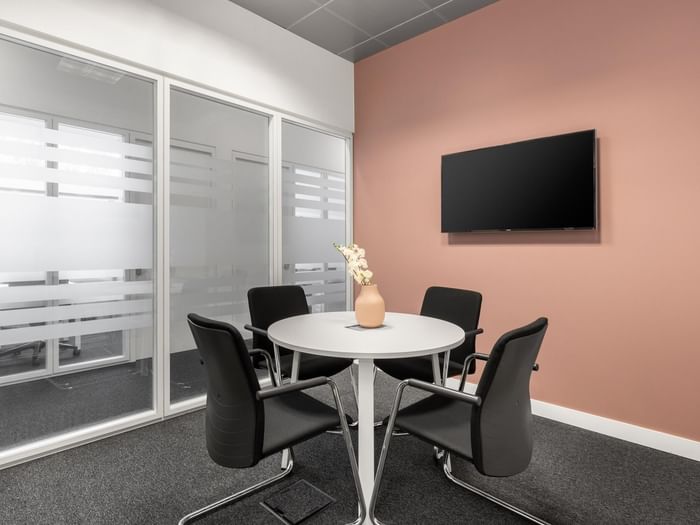
Meeting room MR-05 Spaces Sino-Finnish Centre Nanjing Sino-Finnish Cooperation and Exchange Centre, Qinhuai District, Jiangsu Province 4th and 5th floors, Building 01
1 - 4- hour ¥ 80
- 1/2 day ¥ 320
- day ¥ 720
- week __
-
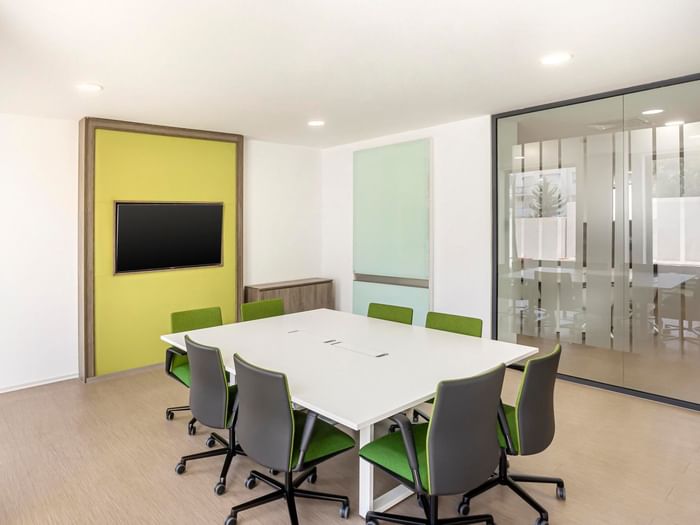
Meeting room MR-01 HQ Dingxin Building No. 432, Middle Section of Zhenhai Avenue, Luotuo Street, Zhenhai District,
1 - 8- hour ¥ 80
- 1/2 day ¥ 320
- day ¥ 800
- week __
-
Meeting room 1539 Regus Yangyang Spring 15/F, Tower 1, Yangyang Spring Investment Building No. 66 Yangming East Road Donghu District
1 - 4- hour ¥ 122
- 1/2 day ¥ 488
- day ¥ 1,097
- week __
-
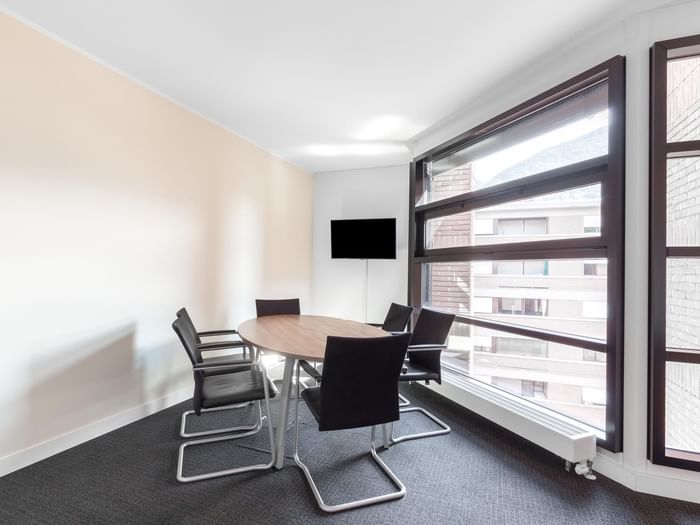
Meeting room zzzz1041 Regus Nison Plaza 10/F, Nison Plaza No. 205 Suzhou West Avenue, Suzhou Industrial Park
1 - 4- hour ¥ 122
- 1/2 day ¥ 488
- day ¥ 1,097
- week __
Meeting rooms in China
Once, gathering colleagues meant crowding around a coffee machine or whispering across silent open spaces. Today, in China’s sprawling urban jungles—where ambition and skyscrapers race neck and neck—the search for modern meeting rooms has become an art form all its own. From panoramic boardrooms perched above Beijing’s traffic to snug training rooms tucked away in Shanghai’s alleys, companies now expect a higher standard for their get-togethers. Let us explore where business culture meets the humble chair and whiteboard, and why the right event space is more than just four walls.
Why do businesses in China need quality meeting rooms?
Operating in China’s bustling cities means everything is bigger—including expectations for meeting venues. In Beijing, Shanghai, Guangzhou, or Shenzhen, fierce competition pushes teams to seek the most inspiring backdrops for brainstorming sessions, workshops, or even that nerve-wracking job interview. Why settle for bland conference rooms when city panoramas or creative interiors can spark productivity?
The demand is colossal. From director committees plotting quarterly strategy to HR managers lining up interviews, every enterprise seeks adaptable event space that fits their needs. The stakes? High. No one wants a pivotal team building session ruined by flickering lights or an unreliable projector. Only top-notch meeting facilities will do.
Main business hubs and their unique meeting environments
Each major Chinese city puts its own spin on the meeting room rental scene. To thrive, companies must leverage local advantages and adapt to unique urban flavors. Here’s how the giants stack up:
Beijing: tradition meets technology
Imagine a CEO roundtable framed by ancient architecture, while smart panels translate conversations in real time. In Beijing, history and innovation blend seamlessly. Boardrooms here often sit inside futuristic complexes, maintained with military precision. Between sessions, planners might sneak out for Peking duck—because deals always taste better over lunch.
Demand for centrally located hotel conference rooms remains sky-high, especially during government forums or global exhibitions. Staying within the “Second Ring” brings both reputation and convenience. Book once, beat the traffic, and impress clients—all without breaking a sweat.
Shanghai: cosmopolitan ambitions
While Shenzhen is famed for innovation, Shanghai leads with style. Conference venues line the Bund, offering iconic skyline views from every window. Renting training rooms here feels almost glamorous—think glass walls, streaming sunlight, and designer furniture perfect for social media moments. International firms love hosting workshops or team-building events in these sleek settings.
Competition among venues is fierce. Only those with adaptable layouts—spaces ready for anything from yoga breaks to high-stakes negotiations—survive Shanghai’s demanding clientele.
Guangzhou and Shenzhen: rapid growth, diverse formats
Fast-growing Guangzhou ensures every startup or multinational finds suitable meeting facilities amid its urban sprawl. Flexibility rules: today, staff debrief sales quotas in a quiet room; tomorrow, they launch products in tech-forward halls powered by lightning-fast Wi-Fi. Whether the group size is two or fifty, options abound.
Meanwhile, Shenzhen beats to the pulse of digital progress. Whether seeking classic boardrooms or creative labs for workshops, finding the right space is simple thanks to modern rental platforms. Hybrid meetings are now standard, with AV upgrades found even in smaller meeting rooms.
What makes the perfect meeting venue?
No two teams want exactly the same features. Some crave privacy for sensitive mergers; others prefer beanbags and writable walls for creative sprints. Yet certain essentials define every successful event space search:
- Adaptable furniture (tables that move, chairs that swivel)
- Reliable technology (screens, projectors, microphones that work flawlessly)
- Refreshments easily accessible (no one thinks clearly hungry)
- Inclusive access (for both guests and delivery arms stacked with pastry trays)
- Clear pricing and a straightforward booking process
Consistency is key, especially when calendars overflow with committee meetings, workshops, and last-minute planning. Facilities that understand what modern enterprises require quickly rise to the top. It’s no wonder teams refuse to settle for less than transparency and stellar support.
| City | Notable features | Typical capacity range |
|---|---|---|
| Beijing | Blending history with advanced AV systems | 6–40 |
| Shanghai | Iconic river views, innovative layouts | 4–50 |
| Guangzhou | Diverse room options for startups & corporates | 2–30 |
| Shenzhen | Tech-driven hybrid-ready rooms | 5–45 |
Types of meeting spaces available
Anyone who thinks a conference room is just a big table and too-bright lights misses the point entirely. Today, China’s biggest cities offer something for everyone, matching every purpose and personality.
Classic boardrooms and training rooms
When formality matters, nothing beats a traditional boardroom: leather chairs, vast tables, spotless whiteboards—the works. Executives debate profit margins before quietly texting assistants for more coffee.
Training rooms take a gentler approach. Built for seminars or onboarding, they emphasize comfort and technological efficiency. Modular desks and colorful markers make spontaneous inspiration easy, whether there are ten or thirty participants.
Creative and informal event spaces
Routine is out; creativity is in. Workshops flourish among bold colors, quirky sofas, and surprisingly good acoustics. Flexible event space setups allow breakout zones, interactive sessions, and even karaoke if negotiations run late.
For intimate gatherings—two-person interviews or remote collaboration—cozy meeting rooms set apart from the bustle ensure focus. After all, genius rarely strikes under fluorescent glare.
How does online booking simplify the process?
Gone are the days of endless calls to random hotel conference rooms or waiting for cryptic email replies. Modern businesses expect instant confirmations, transparent pricing, and payment methods that do not involve mysterious bank transfers. Booking meeting facilities is finally as efficient as it should be.
This new trend allows busy professionals to compare capacities, browse photos, filter amenities, and check availability in seconds. Technology bridges the gap, making cross-city or cross-country meetings effortless. More than just saving time, it removes surprises and eliminates misunderstandings born from outdated agreements.
Why use a specialized platform for meeting room rental in China?
The struggle to find the right location—only to discover another outdated listing—could drive even the calmest office manager to despair. Specialized platforms like workin.space solve this dilemma, connecting users directly with verified meeting venues across China’s biggest cities. With a few clicks, select the desired capacity, location, duration, and amenities—no fuss, no guesswork.
Instant booking is not a luxury anymore—it is vital for departments handling last-minute team buildings, workshops, or crucial job interviews. Secure online payments streamline finances and bring peace of mind, ensuring receipts match budgets and accounting stays headache-free. Thanks to workin.space, reserving and paying for a meeting room in China truly becomes child’s play.
Making meetings memorable (the easy way)
Poor meetings sabotage productivity. With so much at stake, finding reliable, welcoming, and fully functional meeting spaces in China’s enormous cities can feel like a mythical quest—except with better coffee. Armed with flexible event space and ultra-modern conference venues, the country’s biggest urban areas stand tall for every occasion—from discreet executive boards to lively training sessions.
Smart companies rely on platforms that handle every aspect of meeting room rental, freeing energy for agendas instead of logistics. The result? Smoother workshops, fewer scheduling headaches, and perhaps—just perhaps—one less excuse to cancel the next brilliant idea session.
Most wanted meeting rooms
- Meeting rooms Anhui
- Meeting rooms Fujian
- Meeting rooms Guangdong
- Meeting rooms Hebei
- Meeting rooms Hubei
- Meeting rooms Hunan
- Meeting rooms Jiangsu
- Meeting rooms Jilin
- Meeting rooms Liaoning
- Meeting rooms Shaanxi
- Meeting rooms Shandong
- Meeting rooms Sichuan
- Meeting rooms Yunnan
- Meeting rooms Zhejiang
- Meeting rooms Beijing
- Meeting rooms Chongqing
- Meeting rooms Shanghai
- Meeting rooms Tianjin
- Coworking Space China